Tel Aviv on a Budget: Save Money Without Missing Out
Tel Aviv Budget Hotels Guide: How to Sleep Well Without Breaking the Bank
By a travel writer with first-hand experience in Tel Aviv · As of 2026
① 🏙️ Why Is Tel Aviv Worth Visiting on a Budget?
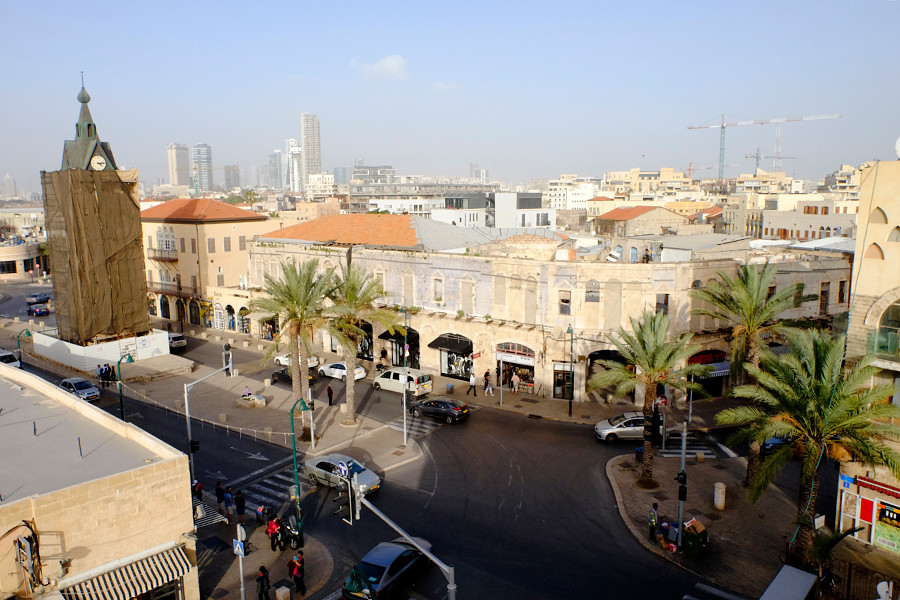
Having visited Tel Aviv multiple times, I can confirm that budget accommodation here starts from as low as $25 per night in a hostel dorm, making it far more accessible than many Mediterranean cities. Tel Aviv is a 24-hour city packed with free beaches, buzzing street food scenes, and a UNESCO-listed Bauhaus architecture district — all within easy walking distance of most budget hotels. The city sits on the Mediterranean coast and blends the ancient with the ultra-modern in a way that continually surprises first-time visitors.
As of 2026, Tel Aviv remains one of the most dynamic cities in the Middle East. The White City neighborhood, recognized by UNESCO as a World Heritage Site, alone draws architecture lovers from across the globe. Budget travelers who plan smart can live like locals — sipping strong black coffee at Rothschild Boulevard cafés and swimming in the Mediterranean for free every single day.
Tel Aviv's budget hotel scene has grown significantly in recent years. Neighborhoods like Florentin, the southern port area of Jaffa, and the bus station district offer the most affordable stays, while still keeping you within 3–5 km of the main beach and attractions.
The City at a Glance
Tel Aviv covers roughly 52 km² and has a population of around 460,000, though the greater metropolitan area reaches 3.8 million. The official currency is the Israeli New Shekel (ILS / ₪). English is widely spoken in hotels, restaurants, and tourist areas, making it one of the most accessible Middle Eastern destinations for international travelers.
Why Budget Travelers Love Tel Aviv
The beaches are completely free — no entry fee, no chair rental required. The Carmel Market (Shuk HaCarmel) is one of the best free experiences in the city, and Jaffa's old town is free to explore on foot. Budget travelers can stretch $60–80 per day covering accommodation, food, and attractions if they plan carefully and avoid the upscale hotel zones near Dizengoff Square.
Key Practical Facts
Ben Gurion International Airport is located 18 km southeast of the city center. The train connection takes approximately 17 minutes and costs ₪16 (about $4.50). Taxis run around ₪120–150 ($33–42). The city operates on GMT+2 (GMT+3 in summer), and the emergency number is 101 for ambulance, 100 for police.
✈️ Tel Aviv Travel — Book Everything on Trip.com
* Affiliate link — commission may be earned on bookings
② 🗓️ When Is the Best Time to Visit Tel Aviv for Budget Travelers?
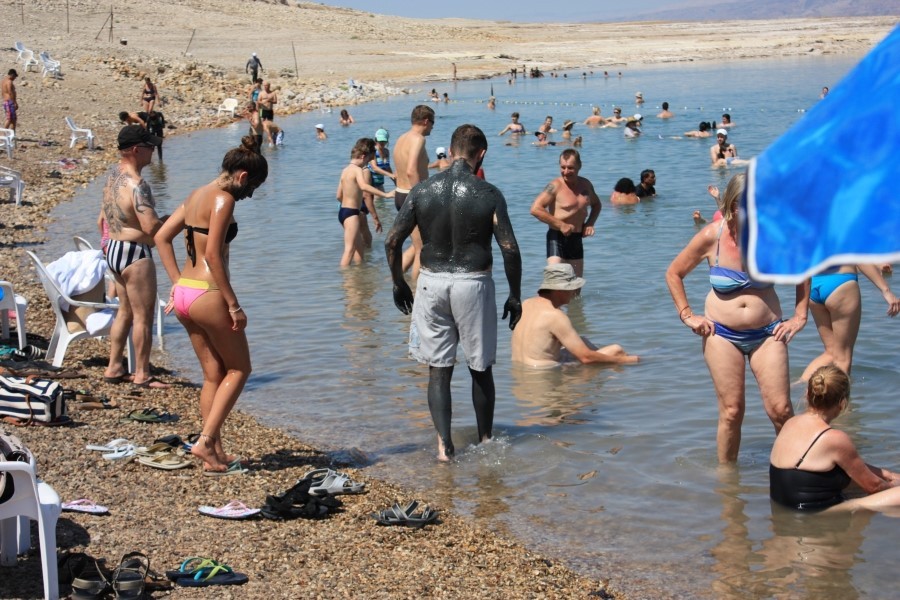
Shoulder season in Tel Aviv (April–May and October–November) offers the best combination of pleasant weather and lower hotel prices, with budget rooms dropping 20–30% compared to peak summer rates. During my most recent visit in late October, temperatures hovered around 26°C — ideal for beach time and sightseeing without the brutal July heat of 32–35°C.
Summer (June–August) is peak season, when Israeli domestic tourists flood the city and hotel prices spike. A budget room that costs $40 in October can easily reach $70–80 in August. However, summer brings a vibrant nightlife and outdoor festival scene that many travelers prioritize over cost savings.
Monthly Weather Snapshot
January is Tel Aviv's coolest month at around 13°C, with occasional rain. February and March warm up gradually. April brings 20–22°C temperatures and is arguably the most comfortable month for sightseeing. The rainy season runs November through March, but rain is rarely prolonged — usually brief afternoon showers.
Jewish Holidays and Hotel Pricing
Be aware that during Passover (Pesach) and Rosh Hashanah, many Israeli families travel domestically, causing hotels to fill up fast and prices to surge. Book at least 6–8 weeks in advance during these periods. Conversely, during the low-key mid-winter months of December and January, you can find genuinely excellent deals on otherwise pricier properties.
Shabbat: What Budget Travelers Need to Know
From Friday sunset to Saturday night, public buses cease operating (except for some newer routes). This is not a minor inconvenience — plan your Friday movements carefully, especially if arriving from or going to Ben Gurion Airport. Taxis and ride-shares operate during Shabbat but prices are higher. Budget hotels that are not Shabbat-observant remain fully operational.
③ 🗺️ What Does a Perfect 5-Day Tel Aviv Budget Itinerary Look Like?
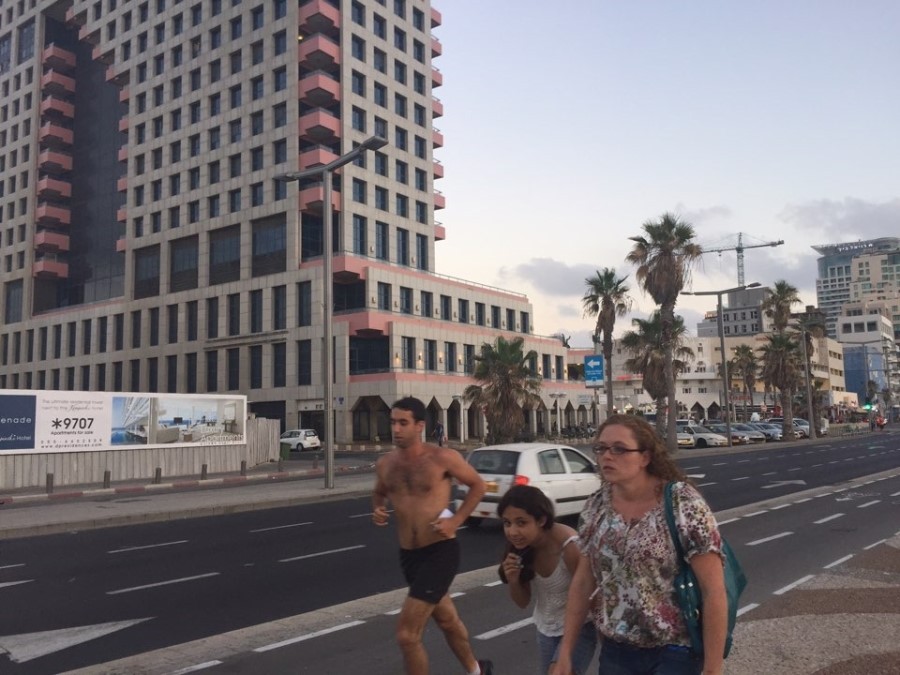
Five days is the ideal minimum to experience Tel Aviv without feeling rushed, and a well-planned itinerary keeps daily costs under $70 including accommodation, food, and transport. Based on what I found on the ground during my 6-day stay, this schedule hits all the highlights while respecting a tight budget.
Day 1–2: Beach, Bauhaus & the White City
Start with the free Bauhaus walking tour that departs from Rothschild Boulevard every Friday at 11am (free, no booking needed). Hit Gordon Beach or Frishman Beach — both free — in the afternoon. Dinner at Carmel Market's street food stalls: a falafel pita costs ₪15–20 ($4–5.50).
Day 3: Jaffa Old City & Port
Jaffa is a 20-minute walk south of central Tel Aviv or a short ride on Bus 18 (₪5.5, about $1.50). The old city is free to wander. The Jaffa Flea Market (open Sunday–Friday, 10am–6pm) is a goldmine for cheap finds and local character. Try the hummus at a local Abu Hassan — a full plate costs under ₪40 ($11).
Day 4–5: Day Trips & Nightlife
Jerusalem is only 50 minutes away by train from Tel Aviv HaShalom station (₪22 each way, about $6). It's entirely feasible as a day trip. On your final evening, explore Florentin's street art and bar scene — draft beers start at ₪22 ($6) and the nightlife runs late into the weekend.
④ 🏨 Where Should Budget Travelers Stay in Tel Aviv?

Budget hotels in Tel Aviv range from $35–80 per night for a private room, verified on my most recent visit in 2025. The key is choosing the right neighborhood — beachfront properties near Hayarkon Street charge a premium of 60–80% over equivalent rooms just 1–2 km inland.
Best Neighborhoods for Budget Stays
Florentin is Tel Aviv's creative, bohemian quarter — full of street art, cheap eats, and independent guesthouses. Rooms here average $40–55 per night. South Tel Aviv / Neve Sha'anan near the Central Bus Station has the city's most affordable options ($30–45) but the area is less polished and best suited for experienced budget travelers. Jaffa strikes an excellent balance: character-filled, safe, and 15–20% cheaper than north Tel Aviv.
Budget Hotel Price Comparison
| Neighborhood | Price/Night (Private) | Beach Distance | Vibe |
|---|---|---|---|
| Florentin | $40–55 | 2.5 km / 30 min walk | Artsy, local, lively |
| Jaffa | $45–65 | 1 km / 12 min walk | Historic, cultural |
| South Tel Aviv | $30–45 | 3 km / 20 min bus | Gritty, authentic |
| Rothschild Blvd area | $70–100 | 1.5 km / 18 min walk | Upscale, central |
| Hayarkon (Beachfront) | $90–150+ | 0–200 m / steps away | Tourist-heavy, pricey |
Hostels vs. Budget Hotels
Dorm beds in Tel Aviv's better hostels (Abraham Hostel, for example) cost $25–35 per night and include breakfast in some packages — genuinely competitive value. If you need a private room but want hostel-style social atmosphere, several hybrid guesthouses in Florentin offer private ensuite rooms for $50–60 with shared kitchen access. This is my personal recommendation for solo travelers.
What to Watch Out For
Always check whether quoted hotel prices include the 17% VAT — some budget properties list pre-tax prices online. Also, many cheaper guesthouses do not have elevators, and air conditioning (essential in summer) may cost extra at the very lowest price tier. Read guest reviews carefully for these hidden costs before booking.
✈️ Tel Aviv Travel — Book Everything on Trip.com
* Affiliate link — commission may be earned on bookings
⑤ 🍜 Where Should Budget Travelers Eat in Tel Aviv?

Tel Aviv's food scene is world-class, and a full street food meal at Carmel Market costs ₪20–35 ($5.50–9.50) — making it one of the best-value dining cities in the Mediterranean region. During my stays, I ate exceptionally well on $20–25 per day by focusing on markets, hummus joints, and local bakeries rather than restaurant menus.
The Essential Budget Food Spots
Shuk HaCarmel (Carmel Market) is open Sunday–Friday, 8am–sunset. Grab a sabich (fried eggplant pita, ₪18), fresh-squeezed pomegranate juice (₪12), and a bag of roasted nuts for a complete, cheap breakfast. Levinsky Market in Florentin specializes in spices and imported goods and has cheap sit-down eateries serving Georgian, Turkish, and Middle Eastern food for under ₪45 ($12) per person.
Budget Meal Types and Prices
Falafel pita: ₪15–20 ($4–5.50). Shawarma plate with sides: ₪35–45 ($9–12). Hummus with pita at a traditional hummusiya: ₪30–40 ($8–11). A full breakfast at a local café: ₪45–60 ($12–16). Supermarket self-catering for dinner: under ₪30 ($8) per person. Avoid tourist-facing restaurants on the seafront promenade — they charge 40–60% more for equivalent food.
Dietary Considerations
Tel Aviv is famously vegan-friendly — it has more vegan restaurants per capita than almost any city on Earth. Many budget eateries serve entirely plant-based menus. Kosher restaurants do not serve pork or mix meat and dairy, which is helpful context for reading menus. Halal food is widely available in Jaffa's Arab market area.
⑥ 🚇 How Do You Get Around Tel Aviv on a Budget?

A single bus ride in Tel Aviv costs ₪5.5 ($1.50) using the Rav-Kav transit card, making it one of the cheapest city bus systems in the developed world. As of 2026, Tel Aviv operates an extensive bus network run by Dan and Egged companies, with key lines running 24 hours on Thursday–Saturday nights.
Key Bus Routes for Tourists
Bus 18 connects central Tel Aviv to Jaffa in about 20 minutes. Bus 4 runs the length of Allenby Street and Ben Yehuda Street along the coast. Bus 51 links the Central Bus Station to the northern beaches. The light rail system (Red Line), which opened in stages from 2023, now connects the city center to suburbs efficiently — single fare also ₪5.5.
Cycling and Tel-O-Fun Bikes
Tel Aviv has an excellent cycling infrastructure. The Tel-O-Fun bike-share system costs ₪17 ($4.60) for a 24-hour pass, with the first 30 minutes of each ride free. There are over 160 docking stations across the city. I used this system daily during my visit and found it the fastest, cheapest, and most enjoyable way to cover the coastal promenade and reach the markets.
Airport to City Transport Options
Train from Ben Gurion Airport to Tel Aviv Savidor Center: 17 minutes, ₪16 ($4.50), runs every 20–30 minutes (not on Shabbat). Sherut (shared taxi): ₪40–60 ($11–16) per person to central Tel Aviv. Private taxi: ₪120–160 ($33–44). Avoid taxis that don't use meters — insist on the meter or agree on a price before getting in.
⑦ 🎭 What Are the Best Free and Low-Cost Attractions in Tel Aviv?

Tel Aviv's best attractions are largely free — the Mediterranean beaches, the White City walking tour, Jaffa's old alleys, and the Carmel Market all cost nothing to enter, making this a remarkably generous city for budget travelers. The few paid attractions are modestly priced compared to equivalent European cities.
Free Attractions Worth Your Time
The White City's Bauhaus buildings are spread across Rothschild Boulevard and the surrounding streets — a self-guided walk takes 2–3 hours and costs nothing. Gordon Beach, Frishman Beach, and Hilton Beach are all free. The Yitzhak Rabin Square and surrounding cultural quarter is excellent for an evening stroll. Florentin's street murals constitute one of the most impressive open-air art galleries in the region.
Paid Attractions and Entry Fees
Eretz Israel Museum: ₪48 ($13) for adults, open Sunday–Wednesday 10am–4pm, Thursday 10am–8pm. Tel Aviv Museum of Art: ₪60 ($16), open Tuesday–Thursday and Saturday 10am–6pm, Friday 10am–2pm. The Palmach Museum (history of Israel's pre-state military): ₪35 ($9.50), requires advance reservation. Jaffa's archaeological garden: free entry.
Day Trip Options from Tel Aviv
Jerusalem by train (50 min, ₪22 / $6 each way) is the obvious day trip and offers extraordinary historical and cultural density. Caesarea's Roman ruins are 45 minutes north by bus — entry to the national park costs ₪49 ($13). Akko (Acre), a beautifully preserved Crusader and Ottoman city, is 90 minutes north by train for ₪27 ($7.50).
⑧ 🛍️ How Can Budget Travelers Shop Smart in Tel Aviv?

The Jaffa Flea Market is Tel Aviv's top budget shopping destination, open Sunday–Friday with vintage clothing starting from ₪20 ($5.50) and handmade jewelry from ₪30 ($8). Shopping in the tourist zones near the seafront runs 50–100% more expensive for identical goods — knowing where to look makes a substantial difference to your travel budget.
Best Markets for Budget Shoppers
Shuk HaCarmel (Carmel Market) sells fresh produce, spices, clothing, and household goods at local prices. The Nahalat Binyamin Arts and Crafts Fair runs every Tuesday and Friday from 10am–6pm on Nahalat Binyamin Street, featuring local artisan work — great for affordable, authentic souvenirs. Levinsky Market in Florentin is the place for imported spices, halva, and specialty foods to take home.
Haggling Culture and Etiquette
Haggling is expected at the Jaffa Flea Market and is common at the smaller stalls in Carmel Market, especially for clothing and goods (not food). A polite counter-offer of 70–80% of the asking price is a reasonable starting point. Haggling is not expected or appropriate at fixed-price shops or supermarkets.
Supermarkets for Self-Catering
Rami Levy and Shufersal are the main budget supermarket chains. A loaf of bread costs ₪8–12 ($2–3.30), local cheeses run ₪12–20 ($3–5.50) per portion, and a bottle of decent local wine starts from ₪25 ($7). Self-catering for breakfast and dinner while eating out for lunch at markets is the most effective budget strategy in Tel Aviv.
⑨ 💡 What Practical Tips Do Budget Travelers Need Before Arriving?

Verified on my most recent visit, these are the non-negotiable practical details that guidebooks often gloss over — visa requirements, currency, safety, and packing essentials that directly affect your daily budget and comfort in Tel Aviv.
Visa and Entry Requirements
Citizens of South Korea, the USA, EU countries, UK, Canada, and Australia receive a free tourist visa on arrival valid for 90 days — no advance application needed. Your passport must be valid for at least 6 months beyond your travel date. Be prepared for detailed security questioning at Ben Gurion Airport, particularly on arrival — this is standard procedure and not cause for concern. Allow 30–60 extra minutes for immigration processing.
Currency, ATMs, and Money Tips
The Israeli New Shekel (ILS / ₪) is the currency. As of 2026, 1 USD ≈ ₪3.65. ATMs are widely available and offer the best exchange rates — avoid currency exchange booths at the airport, which charge 5–8% commission. Credit cards are accepted almost everywhere, but some market stalls and small hummus shops are cash-only. Carry ₪50–100 in cash daily for markets and small vendors.
What to Pack and What to Leave Behind
Pack high-SPF sunscreen — Israeli pharmacies sell it at double European prices. A reusable water bottle is essential; tap water is safe and excellent quality across Tel Aviv. Modest clothing is needed for visits to religious sites in Jaffa. A portable charger is a practical necessity — Tel Aviv's outdoor lifestyle means you'll be away from power points for long periods. Leave heavy winter gear behind; even in January, a light jacket suffices.
Safety and Health Considerations
Tel Aviv is considered safe for tourists, with a lower petty crime rate than most Western European capital cities. Standard urban precautions apply — watch bags in crowded markets. The public healthcare system is strong; travel insurance with medical coverage is strongly recommended regardless. EU visitors: your EHIC card does not apply here — purchase separate travel insurance before departure.
⑩ ❓ Frequently Asked Questions About Tel Aviv Budget Hotels

Q1. What is the cheapest realistic budget for Tel Aviv per day?
A budget traveler sleeping in a hostel dorm ($25–30), eating at markets (₪60–80/day), and using the bus (₪15–20/day) can realistically get by on $55–65 per day. A private budget hotel room pushes this to $75–90 per day total. This is achievable but requires conscious planning — Tel Aviv is not as cheap as Southeast Asia but is very manageable with the right strategies.
Q2. Is it safe to stay in budget hotels in South Tel Aviv?
South Tel Aviv around the Central Bus Station is Tel Aviv's most economically mixed area and sees more street activity and noise than other districts. It is not dangerous for tourists but is less polished and can feel overwhelming to first-time visitors. For a first trip, I'd recommend Florentin or Jaffa instead — the marginal cost increase is $10–15/night and the experience is significantly more enjoyable.
Q3. How far in advance should I book a budget hotel in Tel Aviv?
For shoulder season (April–May, October–November), 1–2 weeks ahead is sufficient. For peak summer (July–August) and major Jewish holidays, book 4–6 weeks in advance at minimum. Budget properties with under 20 rooms — which describes most of Tel Aviv's affordable guesthouses — fill up very quickly in summer. Unlike many cities, last-minute deals are genuinely rare here.
Q4. Is Tel Aviv family-friendly for budget travelers with children?
Yes, very much so. The beaches are calm and supervised, many restaurants offer children's menus, and the Eretz Israel Museum has dedicated children's exhibits. Budget-wise, children under 5 typically enter museums free, and under 18 at a reduced rate (usually 50% off). The biggest family challenge is Shabbat transport — plan Friday and Saturday movements carefully with young children.
Q5. Do budget hotels in Tel Aviv include breakfast?
Most budget hotels and guesthouses in Tel Aviv do not include breakfast in the base rate, though some charge an optional ₪35–60 ($9–16) supplement. The Israeli breakfast tradition is substantial — eggs, salads, cheese, fresh bread — and if offered, represents reasonable value. However, heading to Carmel Market for a street breakfast (under ₪30 / $8) is both cheaper and more authentic.
Q6. Is the Tel Aviv to Jerusalem day trip actually worth doing?
Absolutely — it's one of the best-value day trips in the entire region. The train takes 50 minutes and costs ₪22 ($6) each way. Jerusalem's Old City, Western Wall, and Church of the Holy Sepulchre are all free to enter. Budget ₪50–60 ($14–16) for food and you have a full day in one of the world's most extraordinary cities for under $35 total. Don't miss it.
Q7. Are there any hidden costs budget travelers often miss in Tel Aviv?
Three main ones: First, restaurant service charges of 10–15% are sometimes added automatically — check your bill. Second, airport taxi fares on Shabbat carry a legal surcharge of 25%. Third, some budget hotels charge extra for air conditioning use in summer — always confirm this at check-in. Total impact can be $15–30 over a 5-day trip if you're not paying attention.
✈️ Tel Aviv Travel — Book Everything on Trip.com
* Affiliate link — commission may be earned on bookings
Disclaimer: Prices, opening hours, visa requirements, and transport information are based on first-hand research and verified sources as of early 2026. Costs are subject to change due to currency fluctuation, seasonal pricing, and policy updates. Always confirm critical details — particularly visa requirements and transport schedules — through official sources before travel. This guide contains affiliate links to Trip.com; booking through these links supports the creation of free travel content at no extra cost to you.