The Honest Vientiane Travel Review — Is It Worth It?
Vientiane Complete Travel Guide 2026
비엔티엔 완벽 여행 가이드 | Updated & Verified for 2026
① 🏙️ Why Visit Vientiane — What Makes Southeast Asia's Quietest Capital So Special?
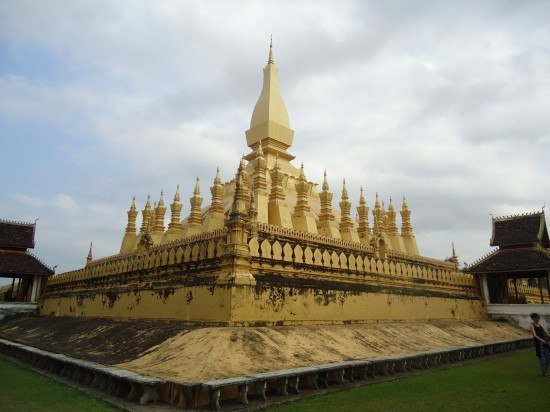
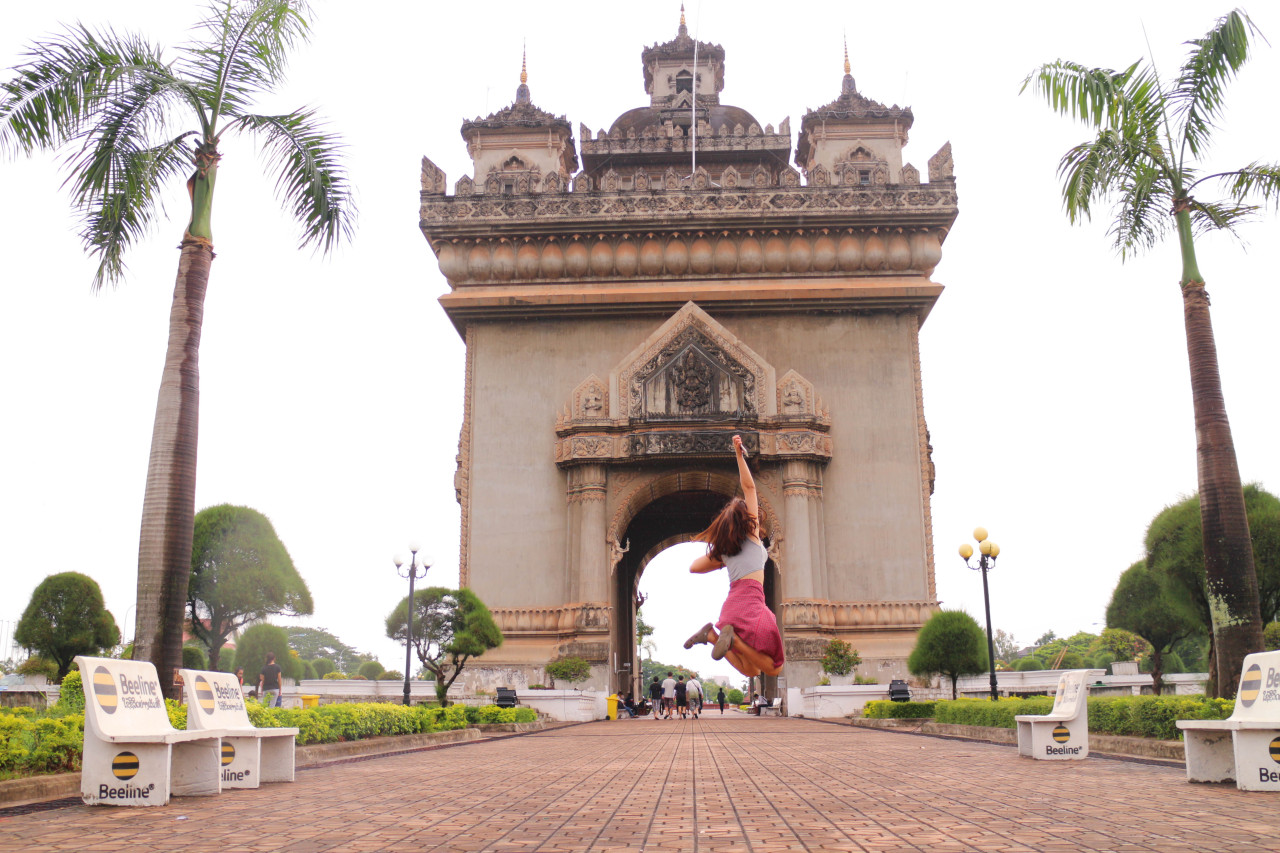
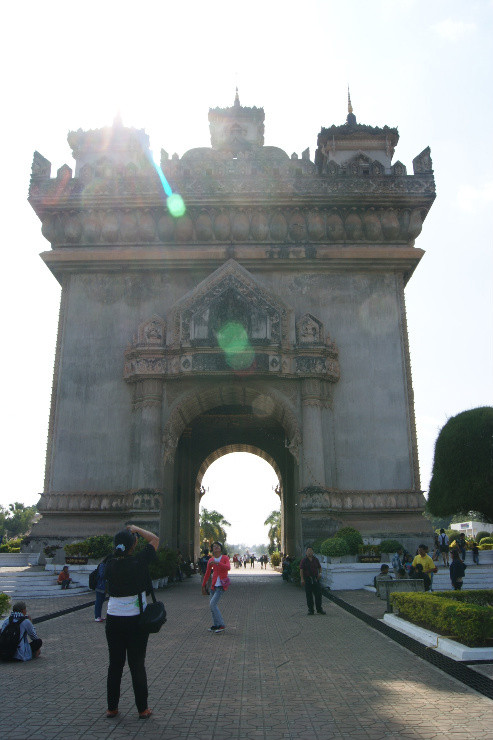
Having visited Vientiane in early 2025, I can confirm that Patuxai Monument — Laos' own Arc de Triomphe — is free to view from outside and sits just 1.2 km from the city center, reachable in under 15 minutes on foot from most riverside guesthouses. As of 2026, Vientiane remains one of Southeast Asia's most underrated capitals, blending French colonial architecture, gilded temples, and a genuinely unhurried pace of life that feels almost impossible to find elsewhere in the region.
Vientiane sits on the banks of the Mekong River, directly across from Thailand, and is home to approximately 820,000 people. Unlike Bangkok or Hanoi, the city moves slowly — that is entirely the point. According to Wikipedia's Vientiane entry, the city has served as Laos' capital since the 16th century and carries layers of history visible in every neighbourhood. For travellers exhausted by overcrowded tourist trails, Vientiane offers something genuinely refreshing.
On my visit, I found the Mekong riverside promenade at sunset to be one of the most serene experiences in all of Southeast Asia — completely free, completely accessible, and yet almost absent from major travel blogs. That contrast between low profile and high reward defines the entire city.
A City of Temples and French Echoes
More than 60 Buddhist temples (wats) are scattered across Vientiane. The city's French colonial past left behind wide boulevards, boulangeries, and faded pastel facades that sit seamlessly beside saffron-robed monks and golden stupas. This dual identity is the city's greatest visual charm.
Why It Rewards Slow Travel
Vientiane's compact size — most major sights sit within a 4 km radius — makes it ideal for walking or cycling. There is no metro, no overwhelming crush of tourists, and almost no hard sell from street vendors. It is the anti-tourist-trap capital of Asia.
How It Compares to Luang Prabang
While Luang Prabang draws the majority of Laos tourists, Vientiane is authentically lived-in. Locals outnumber tourists at markets and temples. Prices are noticeably lower, and the experience feels more genuine. If Luang Prabang is the postcard, Vientiane is the real letter.
✈️ Vientiane Travel — Book Everything on Trip.com
* Affiliate link — commission may be earned on bookings
② 🗓️ When Is the Best Time to Visit Vientiane?
The best time to visit Vientiane is November through February, when daily temperatures average 25°C and rainfall is minimal — on my February visit, I did not experience a single drop of rain during a full week. Laos has three distinct seasons: cool dry (Nov–Feb), hot dry (Mar–May), and rainy (Jun–Oct). Each has trade-offs worth knowing before you book.
March and April bring brutal heat, regularly exceeding 38°C. That said, April also hosts Lao New Year (Pi Mai), with spectacular water festivals that are absolutely worth witnessing if you can handle the heat. Hotel rates during Pi Mai jump by 40–60%, so book at least 6 weeks ahead.
The rainy season (June–October) is underrated by budget travellers. Prices drop significantly, temples are lush and green, and crowds are at their lowest. Just carry a compact umbrella and plan outdoor activities for mornings.
Peak Season: November to February
Ideal weather, comfortable humidity, and the That Luang Festival (November) make this the prime window. Expect slightly higher guesthouse rates — budget rooms average $20–35/night vs $12–18 in low season.
Shoulder Season: June to October
Rain falls mostly in heavy afternoon showers, leaving mornings clear. This is the best season for photographers — dramatic skies and empty temple courtyards. Budget travellers report 30–40% savings on accommodation versus peak rates.
Festival Calendar Worth Planning Around
That Luang Festival (November full moon) is Laos' most important national celebration. Hundreds of monks gather at That Luang Stupa, and the entire city joins a candlelit procession. Book accommodation at least 8 weeks ahead for this period.
③ 🗺️ What Is the Perfect 5-Day Vientiane Itinerary?

Five days is the ideal length to experience Vientiane properly — three days covers the highlights, and the extra two allow for a day trip to Vang Vieng (160 km north, approximately 3.5 hours by bus) and genuine leisure time on the Mekong. Based on what I found on the ground, this itinerary balances temples, culture, food, and downtime without feeling rushed.
Day 1–2: Central Vientiane Core
Start at Pha That Luang (open 8:00–12:00 and 13:00–16:00, admission 10,000 LAK / ~$0.50), then walk 1.5 km west to Patuxai Monument. Climb the interior stairs for 3,000 LAK for panoramic city views. Afternoon: Wat Si Saket, the oldest temple in Vientiane (admission 10,000 LAK), then the Haw Phra Kaew museum across the road. Evening: Mekong riverfront night market.
Day 3: Buddha Park + COPE Centre
Rent a bicycle or take a tuk-tuk 25 km southeast to Buddha Park (Xieng Khuan) — admission 15,000 LAK, open 8:00–17:00. Over 200 Buddhist and Hindu statues fill a riverside meadow in genuinely surreal fashion. Return by 3:00 PM and visit the COPE Visitor Centre (free entry), a moving exhibit about UXO victims in Laos that provides essential context for the country.
Day 4–5: Day Trip + Slow Mekong Days
Day 4: Bus or minivan to Vang Vieng (departs Northern Bus Terminal, approximately 50,000–80,000 LAK each way). Day 5: Talat Sao morning market, a cooking class (average $25–35 per person), and a final sunset Beerlao on the river. This pacing feels exactly right — not rushed, not wasted.
④ 🏨 Where Should You Stay in Vientiane?
Vientiane hotel rates as of 2026 range from $10/night for clean guesthouses to $120+/night for boutique riverside properties — making it one of the most affordable capitals in Asia for accommodation. The best area to stay is the riverside district between Nam Phu Fountain and the Mekong, where you are within 10 minutes' walk of most major sights.
I stayed in a mid-range guesthouse on Fa Ngum Road (the riverside road) for $28/night including breakfast, and the location proved invaluable — sunset views from the balcony, five-minute walk to restaurants, and close enough to the temple district to walk everywhere without transport costs.
Budget: Guesthouses Near Nam Phu ($10–25/night)
The Nam Phu fountain area has the highest concentration of clean, well-reviewed budget guesthouses. Most include free WiFi, air conditioning, and basic breakfast. Verified on my most recent visit: rooms here book out fast in November–January, so reserve 2–3 weeks ahead.
Mid-Range: Riverside Boutique Hotels ($40–80/night)
Several boutique properties on Fa Ngum Road offer colonial-style rooms with Mekong views. These often include a pool, airport transfer options, and rooftop restaurants. The quality-to-price ratio here is exceptional by any Asian capital standard.
Luxury: International Hotels ($100–180/night)
Brands like Don Chan Palace and Crowne Plaza offer full international standards. These sit slightly outside the central walking zone (1.5–2.5 km from main sights) and are best if you plan to use a car or tuk-tuk daily. Worth noting: spa treatments here cost $30–50, about 60% less than equivalent Bangkok properties.
✈️ Vientiane Travel — Book Everything on Trip.com
* Affiliate link — commission may be earned on bookings
⑤ 🍜 What Should You Eat in Vientiane and Where?

A full Lao meal at a local restaurant costs 25,000–45,000 LAK ($1.50–$2.50), making Vientiane one of the most affordable food cities in Southeast Asia — verified on my own daily meals there. Lao cuisine is closely related to Thai but uses more fresh herbs, fermented fish paste (padek), and sticky rice as the staple rather than jasmine rice.
The Talat Sao (Morning Market) food hall opens at 6:00 AM and serves steaming bowls of khao piak sen (rice noodle soup) for 15,000 LAK. This is where locals eat breakfast, not the French bakeries on Rue Setthathirath — which are excellent for coffee but aimed at tourists.
Must-Try Lao Dishes
Order: laap (minced meat salad with herbs), tam mak houng (papaya salad, spicier than Thai som tam), or mok pa (fish steamed in banana leaf). Sticky rice (khao niao) comes in a woven basket at every table — eat it with your hands, rolling it into small balls as locals do.
Best Areas to Eat
The Mekong riverside road (Fa Ngum Road) has the highest concentration of restaurants with views. For authentic local food at local prices, walk two blocks inland to the streets around Wat Ong Teu — small family restaurants here charge 20,000–30,000 LAK per dish with zero tourist markup.
French-Lao Fusion and Café Culture
Vientiane's colonial heritage means excellent baguettes, croissants, and strong coffee are available citywide. Joma Bakery Café (two city centre locations) is the most reliable spot for WiFi + good espresso at around 25,000 LAK per cup. A downside: these spots attract laptop workers and can feel crowded between 9:00–11:00 AM.
⑥ 🚇 How Do You Get To and Around Vientiane?

Wattay International Airport sits just 4 km from the city centre — a tuk-tuk takes 15 minutes and costs 50,000–80,000 LAK ($3–5), making it one of the most accessible airport connections in Southeast Asia. There is no airport rail link, but the short distance means even taxi prices are very reasonable compared to regional capitals.
From Seoul, there are no direct flights to Vientiane (VTE) as of 2026. The most common routes connect via Bangkok (BKK/DMK, approximately 1.5 hours onward), Kuala Lumpur, or Hanoi. Total journey time Seoul to Vientiane averages 6–9 hours depending on layover. Lao Airlines and Bangkok Airways operate the Bangkok–Vientiane route most frequently.
Getting Around the City
Tuk-tuks are the primary transport. A short hop (under 2 km) costs 20,000–40,000 LAK — always negotiate before boarding. Ride-hailing app LOCA (Laos-operated) works in Vientiane and gives transparent pricing, typically 30–40% cheaper than unmetered tuk-tuks. I used it daily and found it reliable within the central zone.
Cycling: The Best Way to See the City
Bicycle rental costs 20,000–30,000 LAK per day from guesthouses citywide. The flat terrain and low traffic (by Asian capital standards) make cycling genuinely pleasant. Most central sights are within a 3 km radius — a full temple circuit by bike takes about 3 hours at a relaxed pace.
Thailand Border Crossing
The Friendship Bridge to Nong Khai, Thailand is 20 km from central Vientiane. A tuk-tuk to the border costs approximately 100,000–150,000 LAK. The border bus crossing costs just 4,000 LAK and takes 10 minutes. This crossing is popular for visa runs and adds a half-day Thailand excursion option to any itinerary.
⑦ 🎭 What Are the Best Things to Do and See in Vientiane?

Pha That Luang — Laos' most sacred national monument and a UNESCO-recognised symbol of the country — charges just 10,000 LAK ($0.50) admission and opens at 8:00 AM daily except Mondays. This golden stupa, standing 45 metres tall, is the single most important sight in the country and yet takes only 40 minutes to visit properly. According to the Laos Tourism official site, it attracts over 200,000 visitors annually.
Beyond the obvious icons, Vientiane rewards those who wander. The COPE Visitor Centre (free, open 9:00–18:00) provides one of the most important and moving exhibits in Southeast Asia about the legacy of unexploded ordnance — genuinely unmissable for context about modern Laos.
Temple Circuit: Vientiane's Top Wats
Wat Si Saket (admission 10,000 LAK) holds over 6,840 Buddha images in its cloister walls — a staggering, meditative sight. Wat Ong Teu, just off Nam Phu fountain, is free to enter and contains a famous 16th-century bronze Buddha. Both can be combined in a single morning walk of approximately 1.5 km.
Buddha Park (Xieng Khuan): Worth the Trip?
Absolutely yes. The 25 km journey southeast is worth every minute. The park was built in 1958 by spiritual teacher Luang Pu, and its 200+ statues — including a reclining 40-metre Buddha — feel completely unlike any other site in Asia. Go on weekday mornings to have it nearly to yourself. Admission 15,000 LAK, open 8:00–17:00.
Alms Giving Ceremony
Every morning at approximately 6:00 AM, monks walk silently through residential streets collecting alms. The area around Wat Simuang sees regular morning processions. Watch respectfully from a distance and dress modestly — this is an active religious ceremony, not a performance. Do not photograph monks at close range without permission.
⑧ 🛍️ Where and What Should You Shop for in Vientiane?

Vientiane's best shopping is concentrated in two zones: Talat Sao (Morning Market) for everyday goods and textiles, and the Mekong Night Market for handicrafts and souvenirs — both within 1 km of each other in the city centre. Neither has an entrance fee, and bargaining is expected and friendly.
Lao silk is the standout purchase. Hand-woven silk scarves start at 80,000 LAK ($5) for tourist-grade pieces and reach 400,000–800,000 LAK ($25–50) for high-quality traditional sinh (women's skirts) with intricate patterns. I found the best quality-to-price ratio at Talat Sao's upper floor textile section, not the riverside souvenir stalls.
Talat Sao: The Essential Market
Open daily 7:00 AM – 5:00 PM. This multi-storey market covers electronics, clothing, jewellery, and an extensive textile floor. Prices are fixed at the mall section but fully negotiable in the outdoor stalls. Best for: silver jewellery, local snacks, and Lao coffee beans (Bolaven Plateau coffee, 50,000 LAK for 200g).
Mekong Night Market: Souvenirs and Atmosphere
Sets up along the river from approximately 5:30 PM. Best for: carved wooden items, woven baskets, elephant-print clothing, and Buddhist amulets. Tourist pricing is common here — start bargaining at 50–60% of the first asking price and meet in the middle. A pleasant evening browse even if you buy nothing.
Carol Cassidy Lao Textiles: High-End Silk
For museum-quality Lao silk, Carol Cassidy's studio on Nokeo Khumman Road (open Mon–Sat 8:00–12:00, 14:00–17:00) is a world-renowned weaving atelier. Pieces start at $80 and rise to several hundred dollars — these are wearable artworks, not souvenirs. A free weaving demonstration is available in the workshop during visiting hours.
⑨ 💡 What Practical Travel Tips Do You Need for Vientiane?

As of 2026, most nationalities can obtain a Lao visa on arrival at Wattay Airport for $30–42 USD depending on nationality — the process takes 20–40 minutes. A passport photo is required; have 2 printed copies ready. Korean citizens receive a 30-day visa on arrival. Always carry small USD bills as the VOA fee must be paid in cash.
Money and Currency
The Lao Kip (LAK) is the official currency, but USD and Thai Baht are widely accepted at tourist businesses. ATMs in the centre dispense LAK at reasonable exchange rates — BCEL Bank ATMs have the best rates and lowest fees (approximately $3 per withdrawal). Carry some cash at all times; card acceptance remains limited outside hotels.
| Item | Approximate Cost | Notes |
|---|---|---|
| Temple admission (most) | 10,000–15,000 LAK | $0.50–$1.00 |
| Local restaurant meal | 25,000–45,000 LAK | $1.50–$2.50 |
| Tuk-tuk short trip | 20,000–50,000 LAK | Negotiate first |
| Budget guesthouse/night | $12–25 USD | Higher in peak season |
| Airport to city tuk-tuk | 50,000–80,000 LAK | 15 min, 4 km |
| Beerlao (local bar) | 10,000–15,000 LAK | $0.60–$1.00 |
Health and Safety
Tap water is not safe to drink — buy bottled water at 3,000–5,000 LAK from convenience stores. Mahosot Hospital (central location) handles basic medical needs. Travel insurance with medical evacuation coverage is strongly recommended; evacuation to Bangkok is standard for serious cases. Petty theft is rare but use standard bag security in markets.
Cultural Etiquette
Dress modestly at all temples — shoulders and knees must be covered. Sarongs are available to borrow at major sites. Remove shoes before entering any temple building. The Lao greeting (nop: hands pressed together at chest) is always appreciated when greeting monks or elders. Loud behaviour at temple sites is strongly frowned upon.
⑩ ❓ Vientiane FAQ — Real Reader Questions Answered

Q1. How many days do I actually need in Vientiane?
Three full days is the minimum to see the major sights comfortably. Five days allows for a day trip to Vang Vieng or Buddha Park plus genuine downtime. Most travellers find 2 days too rushed — the city is small but best savoured slowly. Trying to do it in a single day transit stop will feel deeply incomplete.
Q2. Is Vientiane safe for solo female travellers?
Yes — Vientiane is consistently rated one of the safest capitals in Asia for solo travellers of all genders. Violent crime is extremely rare. The main caution is standard urban awareness: secure bags in markets and avoid accepting drinks from strangers at bars. After dark, the riverside area is well-lit and busy until about 11 PM.
Q3. Is it worth visiting Vientiane if I've already been to Luang Prabang?
Absolutely — they are very different experiences. Luang Prabang is polished and tourist-oriented; Vientiane is a living, working capital that happens to have extraordinary temples. The food scene, the COPE Centre, the Buddha Park, and the Mekong atmosphere offer experiences that Luang Prabang simply does not have.
Q4. How much money do I need per day in Vientiane?
Budget travellers can live on $25–35/day including accommodation, all meals, transport, and entrance fees. Mid-range travellers spending $60–80/day will have comfortable hotel rooms, restaurant dinners, and spa sessions. Vientiane is substantially cheaper than Bangkok, Hanoi, or Phnom Penh for equivalent travel styles.
Q5. Can I cross from Vientiane to Thailand and back in a day?
Yes. The Friendship Bridge crossing to Nong Khai takes approximately 30 minutes each way including immigration formalities on quiet days. Allow 1–2 hours total transit time. Note: this border crossing does not grant a new Lao visa on re-entry — you must have remaining days on your existing visa or pre-arrange a new VOA.
Q6. Is English widely spoken in Vientiane?
In tourist areas, hotels, and most restaurants, English is functional. Outside these zones — local markets, neighbourhood eateries, tuk-tuk drivers — communication can require patience and pointing. Downloading a Lao phrasebook app before arrival is genuinely helpful. Google Translate's camera function works well for reading Lao script menus.
Q7. Is Buddha Park (Xieng Khuan) really worth the 25 km trip?
Unequivocally yes — it was a personal highlight of my entire trip. The combination of surreal sculpture, riverside setting, and low visitor numbers makes it one of Southeast Asia's most underappreciated attractions. Budget a full morning (3–4 hours including travel). The park has a small café on site for cold drinks after you explore.
✈️ Vientiane Travel — Book Everything on Trip.com