Tel Aviv Travel Guide 2026 — Everything You Need to Know
① 🏙️ Why Visit Tel Aviv? — What Makes This City Worth the Trip?
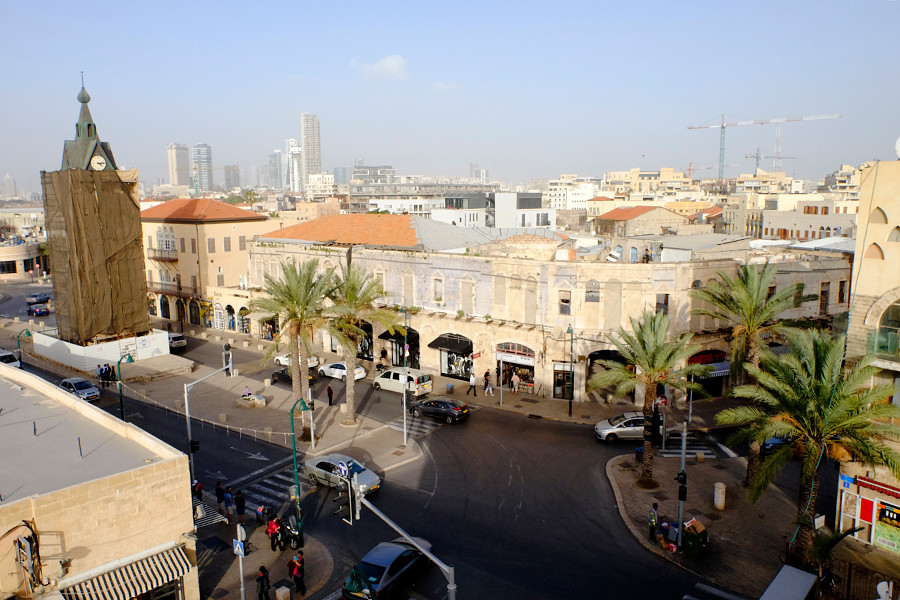
Having visited Tel Aviv in both 2023 and early 2025, I can confirm that the city hosts over 14 km of Mediterranean coastline, all publicly accessible for free, making it one of the most rewarding beach-city combinations in the world. As of 2026, Tel Aviv is consistently ranked among the world's top startup hubs, the world's second-largest UNESCO-recognized Bauhaus architecture collection, and a culinary scene that genuinely rivals cities twice its size.
The city operates at a unique frequency — brunch on a Friday morning in Florentin feels like a Parisian café, Saturday night in Rothschild Boulevard rivals Berlin, and Sunday the entire city resets as if nothing happened. What surprised me most on my first visit was how walkable the core is: Jaffa's ancient port to the Carmel Market is just 2 km on foot, and you will pass street art, boutiques, and at least two excellent shakshuka spots along the way.
Tel Aviv is not a budget destination — expect restaurant mains from ₪60–₪120 ($17–$33) and hotel doubles from $120/night minimum in mid-range. But the sheer density of experiences per square kilometer is hard to match. The city is officially part of the greater Tel Aviv metropolitan area with a population exceeding 4.1 million, giving it the energy of a major metropolis packed into a surprisingly intimate city core.
One honest caveat: security concerns are a real factor. I always checked current government travel advisories before my visits. Tel Aviv itself has historically been calmer than border regions, but always verify before booking.
The White City: UNESCO Bauhaus Heritage
Tel Aviv's "White City" — a 1930s–1950s Bauhaus and International Style district — contains over 4,000 buildings recognized by UNESCO in 2003. The Bauhaus Center on Dizengoff Street runs guided walking tours for ₪60 ($17) every Friday at 10:00 AM, lasting about 90 minutes. I did this tour and it completely reframed how I walked through the city afterward.
Jaffa: Ancient Port on the City's Doorstep
Old Jaffa, now administratively part of Tel Aviv-Yafo, is free to explore and sits just 4 km south of the central beach. The flea market (Shuk HaPishpeshim) opens 10:00 AM–5:00 PM Sunday–Thursday and is one of the most authentic shopping experiences in the city. Arrive before noon to beat the heat and the crowds.
The Beach Culture: More Than Just Sand
Tel Aviv's beaches — Gordon, Frishman, Hilton — are all free. Hilton Beach has a designated dog area and a popular LGBTQ+ friendly section. The beaches are lifeguarded from 07:00–19:00 (May–October), and outdoor gym equipment lines the promenade. Locals start their day here at 06:00 AM with coffee and the newspaper, and it is genuinely one of the best morning rituals I have experienced in any city.
✈️ Tel Aviv Travel — Book Everything on Trip.com
* Affiliate link — commission may be earned on bookings
② 🗓️ When Is the Best Time to Visit Tel Aviv?
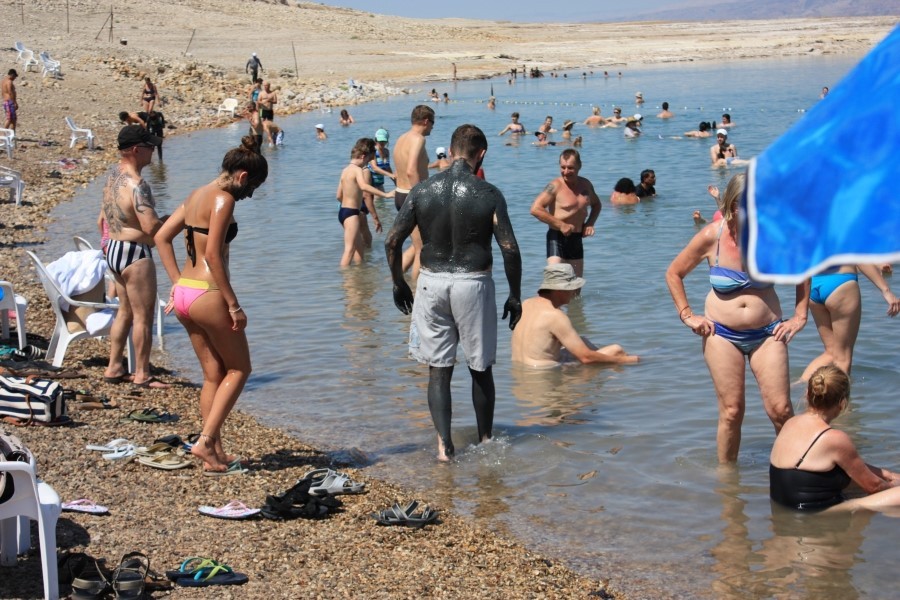
March through May and October through November are objectively the best months, with average temperatures of 22–27°C, low humidity, and far fewer crowds than the July–August peak. Based on what I found on the ground during a March visit, the city is buzzing with life but hotel rates can be 30–40% lower than summer highs.
July and August see temperatures push past 32°C with high humidity. The beaches are packed, prices spike, and restaurant waits grow long. If you must visit in summer, book hotels at least 3 months in advance and plan outdoor activities before 11:00 AM. Jewish holidays (Passover in April, Rosh Hashanah in September/October) bring domestic tourists and can cause some restaurant and shop closures — but also a festive atmosphere I personally enjoyed.
Spring (March–May): The Sweet Spot
Perfect beach weather kicks in by late April. Tel Aviv Pride (June) draws over 250,000 visitors, so book well ahead if your trip overlaps. The White Night festival (Layla Lavan) in late June is a free all-night cultural event across the city worth planning around.
Autumn (October–November): Underrated Season
Sea temperatures remain swimmable at 24–26°C through October. Sukkot (Feast of Tabernacles) in October brings outdoor decorations and family-friendly street events. Flight prices in October–November are typically 20–25% lower than summer peaks from Seoul to Tel Aviv.
What to Know About Shabbat
Every Friday from sundown to Saturday night is Shabbat — public buses stop, many shops close, but Tel Aviv is notably more secular than Jerusalem. Most restaurants, cafes, and tourist attractions remain open. The city takes on a relaxed, almost dreamlike quality on Saturday afternoons that I found unexpectedly appealing.
③ 🗺️ What Is the Perfect 5-Day Tel Aviv Itinerary?
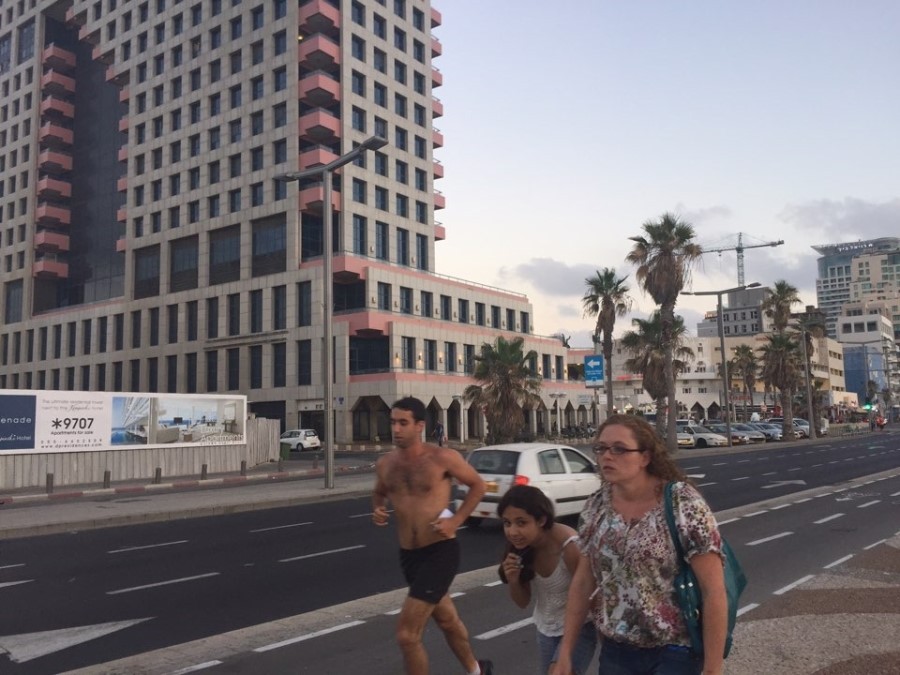
Five days is the ideal length — enough to cover Tel Aviv properly, include a day trip to Jerusalem (45 minutes by train, ₪23/$6.50), and still have a relaxed beach morning. Here is the route I personally used and refined across two visits.
Day 1–2: Tel Aviv Core — Beaches, Bauhaus & Carmel Market
Start at Gordon Beach (morning swim), walk the promenade south to Frishman, then cut inland to Rothschild Boulevard for a self-guided Bauhaus walk. Afternoon: Carmel Market (Shuk HaCarmel) for local produce and street food — try sabich (₪30/$8.50) from the market stalls. Evening: Florentin neighborhood for craft beer and street art.
Day 3: Jaffa Deep Dive
Take Bus 10 (₪6.90/$2) from Allenby Street to Old Jaffa in 20 minutes. Explore Jaffa Port, the flea market, the hilltop park (free, extraordinary sea views), and the Ilana Goor Museum (₪40/$11, open 10:00–16:00 Sunday–Friday). Have lunch at Abulafia Bakery — open 24 hours, the sesame bread is legendary and costs ₪8.
Day 4: Jerusalem Day Trip
Tel Aviv HaHagana station to Jerusalem Yitzhak Navon: 45 minutes, ₪23 ($6.50) one way, trains run every 30 minutes from 06:00. In Jerusalem, the Old City is free to enter — allow 5–6 hours minimum. Return by 19:00 for dinner back in Tel Aviv.
Day 5: North Tel Aviv — Sarona Market & Design Museum
Sarona Market (open daily 09:00–22:00) for gourmet food stalls, then the Eretz Israel Museum (₪50/$14, closed Saturdays). End with sunset drinks at a rooftop bar on HaYarkon Street — the view north toward the port is outstanding.
④ 🏨 Where Should You Stay in Tel Aviv?

The best neighborhoods for first-time visitors are the beachfront strip (HaYarkon Street), Rothschild Boulevard, and Florentin — each offering a distinctly different character. As of 2026, budget travelers will struggle to find quality doubles under $80/night, but the mid-range segment ($130–$200) is strong and improving.
Beachfront / HaYarkon Street: Best for First Timers
Most international chain hotels sit here — walking distance to Gordon and Frishman beaches. Expect to pay $180–$350/night for a sea-view room. The convenience premium is real: I was at the beach in 4 minutes from my hotel door. Noisy on weekend nights — bring earplugs or book above the 8th floor.
Rothschild Boulevard: Best for Culture & Style
Boutique hotels in converted Bauhaus buildings, restaurants and cafes at street level, and the most photogenic boulevard in the city. Rates average $130–$220/night. The area is safer, quieter at night than the beachfront, and walking distance to Carmel Market (10 minutes).
Florentin: Budget-Friendliest, Most Local
Hostels and apartment rentals from $40–$90/night. Florentin has the best street art, the grittiest nightlife, and the most authentic neighborhood feel. It is 3.5 km from the main beaches — easily bikeable, or take Bus 40 for ₪6.90. Less polished but far more interesting than the tourist strip.
✈️ Tel Aviv Travel — Book Everything on Trip.com
* Affiliate link — commission may be earned on bookings
⑤ 🍜 What and Where Should You Eat in Tel Aviv?

Tel Aviv's food scene is ranked among the world's top 10 by multiple international publications, and after eating my way through 3 visits, I fully agree. The city has an extraordinary density of excellent restaurants — with over 4,000 eateries for a city of 460,000 residents, that is roughly one restaurant per 115 people.
Must-eat dishes: hummus (₪28–₪45 at a proper hummusiya), shakshuka (₪55–₪75 at a sit-down café), sabich (₪30–₪40 at a street stall), and knafeh for dessert (₪25–₪35). The city has a very strong vegan scene — Israel has one of the world's highest vegan per-capita rates, and dedicated vegan menus are standard across most restaurants.
Carmel Market (Shuk HaCarmel): The Foodie Starting Point
Open Sunday–Friday 08:00–19:00 (closes early Friday), this is the city's main fresh market — spices, fresh juice, street food, and local produce. Budget ₪80–₪120 ($22–$34) for a proper market lunch grazing session. Go hungry and go on a weekday morning to avoid the weekend crush.
Abu Hassan (Ali Karavan): The Hummus Pilgrimage
Located in Jaffa at 1 HaDolphin Street, open 07:00–14:30 (closed Saturday), Abu Hassan serves what many consider the best hummus in Israel. Arrive before 11:00 AM — after that the wait can exceed 30 minutes. A full plate with pita costs ₪42 ($12). Cash only, no reservations, seats turnover fast.
Sarona Market: Upscale Gourmet Hall
A renovated Templar colony turned gourmet food market, open daily 09:00–22:00. Higher price point (mains ₪80–₪150) but excellent quality and air-conditioned — a genuine relief in summer. Great for cheese, olive oil, and wine purchases to take home.
Dining Budget Expectations
Budget: ₪80–₪120/day on street food and market meals. Mid-range: ₪180–₪280/day for sit-down restaurants. Upscale: ₪350+/day. Tap water is safe to drink — do not pay for bottled water in restaurants unless you prefer it.
⑥ 🚇 How Do You Get Around Tel Aviv?

Ben Gurion Airport to central Tel Aviv costs ₪6.90 by train (30 minutes, departing every 30 minutes) versus ₪160–₪230 by taxi — the train is the obvious choice for budget-conscious travelers. The airport train connects at HaHagana or Savidor Center stations, both on the main city bus network.
Bus Network: Comprehensive but Complex
Tel Aviv's bus system (operated by Dan and Egged) covers the entire city with flat fares of ₪6.90 per ride using a Rav-Kav card. The Rav-Kav gives free transfers within 90 minutes of first tap. Key routes: Bus 4 (north-south coastal route), Bus 10 (Tel Aviv to Jaffa), Bus 40 (Florentin to city center). No buses run during Shabbat (Friday sundown to Saturday night).
Tel-O-Fun Bike Share: Best for Flat City Riding
Tel Aviv has 110+ bike-share stations (Tel-O-Fun system) with 1,500 bikes. A day pass costs ₪17 ($4.80) with the first 30 minutes of each ride free — perfect for short hops. The city is almost entirely flat, and dedicated cycling lanes cover most major routes. I used this daily and found it faster than buses for most central trips under 4 km.
Taxis & Ride Apps: Gett is Standard
Gett (the Israeli equivalent of Uber) is the dominant ride-hailing app. Fares across the city typically run ₪40–₪80 ($11–$22). Traditional taxis must use meters — insist on the meter being activated if you flag one on the street. Uber operates in Israel but with higher rates than Gett in most cases.
⑦ 🎭 What Are the Best Things to Do and See in Tel Aviv?

Tel Aviv Museum of Art (₪60/$17, open Sun–Sat 10:00–18:00, closed Wednesday evenings) is the city's premier cultural institution, with the world's leading collection of Israeli art alongside strong Impressionist and modern works. But the city's real attraction is its street-level energy — and most of it costs nothing.
Neve Tzedek: The Most Beautiful Neighborhood
Tel Aviv's oldest Jewish neighborhood, founded in 1887, Neve Tzedek is a compact grid of restored Ottoman-era buildings with boutiques, galleries, and cafes. Free to wander, best on a weekday morning when the cobbled lanes are quiet. The Suzanne Dellal Centre for contemporary dance hosts world-class performances from ₪80–₪200.
Meymadion Water Park and Park HaYarkon
Park HaYarkon in northern Tel Aviv is the city's green lung — 3.8 km² of lawns, cycling paths, and the Yarkon River. Entry is free. The adjacent Meymadion Water Park (₪125/$35, open May–September) is excellent for families with children. Rent a pedal boat on the river for ₪60/30 minutes — a genuinely lovely hour.
Tel Aviv Port (Namal Tel Aviv) and the Nightlife Strip
The renovated port area in northern Tel Aviv has an organic food market on Fridays (07:00–14:00, free entry) and transforms into a nightlife district after 22:00. The wooden boardwalk over the sand dunes is one of the best spots in the city for a late-afternoon walk. See the official Tel Aviv tourism website for seasonal event listings.
Bauhaus Walking Tour: Dizengoff Circle Area
The self-guided Bauhaus walking map is available free at the Bauhaus Center (99 Dizengoff Street, open 10:00–19:00 daily). The paid Friday tour (₪60, 90 minutes) is led by architecture experts and covers buildings not on the standard tourist map. Worth every shekel — this tour alone justified a second visit for me.
⑧ 🛍️ Where Should You Shop in Tel Aviv?

Tel Aviv has a genuinely strong independent design scene — Israeli jewelry, ceramics, and fashion are world-class and surprisingly affordable compared to equivalent quality in Europe. The city is not a place for luxury brand shopping (Dubai or Singapore does that better), but for original, handmade, locally-designed goods it is excellent.
Jaffa Flea Market (Shuk HaPishpeshim)
Open Sunday–Thursday 10:00–17:00, Friday 10:00–14:00, closed Saturday. The best source for vintage items, antiques, Judaica, and hand-crafted goods. Bargaining is expected and accepted — start at 60% of the asking price and expect to settle at 75–80%. I bought an 1960s copper coffee set here for ₪180 after negotiating from ₪280.
Neve Tzedek Boutiques: Local Designer Cluster
Shabazi Street in Neve Tzedek is lined with Israeli designer boutiques — jewelry, ceramics, fashion, and art prints. Prices reflect quality: expect ₪200–₪800 for original pieces. Most shops open 10:00–19:00, closed Saturday. This is where I found the most meaningful souvenirs — things I still use and display at home.
Dizengoff Center: Everyday Mall Shopping
Tel Aviv's central shopping mall on Dizengoff Street has mainstream Israeli and international brands, a cinema, food court, and supermarket. Open Sunday–Thursday 09:30–21:30, Friday 09:30–16:00, Saturday night from 19:30. Useful for practical purchases — SIM cards, sunscreen, everyday items at fair prices.
Best Souvenirs to Buy
Top purchases: Dead Sea cosmetics (Ahava brand, 30–50% cheaper than abroad), za'atar and spice mixes from Carmel Market (₪15–₪30/bag), hand-painted ceramics from Jaffa (₪80–₪200), and Israeli wine (₪60–₪120/bottle for excellent quality). Alcohol is cheaper in supermarkets than duty-free — stock up before departure.
⑨ 💡 What Are the Essential Travel Tips for Tel Aviv?

Airport security at Ben Gurion is thorough — arrive 3 hours before international flights, not the standard 2. Security interviews (standard practice, not targeted) add 20–40 minutes. Having a clean travel itinerary and hotel confirmation ready speeds up the process significantly. This is non-negotiable; do not underestimate it.
| Category | Cost (₪) | Cost (USD) |
|---|---|---|
| Airport train (Ben Gurion → city) | ₪6.90 | ~$2 |
| City bus (single ride, Rav-Kav) | ₪6.90 | ~$2 |
| Tel Aviv Museum of Art | ₪60 | ~$17 |
| Bauhaus walking tour (Friday) | ₪60 | ~$17 |
| Hummus at market stall | ₪28–₪45 | $8–$13 |
| Jerusalem day trip (train, one way) | ₪23 | ~$6.50 |
| Tel-O-Fun bike day pass | ₪17 | ~$4.80 |
Currency & Payments
The New Israeli Shekel (₪/ILS) is the local currency. Cards are accepted nearly everywhere in Tel Aviv — I used cash primarily at market stalls and Abu Hassan. Withdraw shekels from bank ATMs (not airport exchange desks) for the best rate. As of 2026, 1 USD ≈ ₪3.60, 1 EUR ≈ ₪3.90.
SIM Cards and Connectivity
Prepaid SIM cards from Hot Mobile or Cellcom cost ₪30–₪50 ($8–$14) for 30 days of unlimited data. Available at Tel Aviv Central Bus Station, Dizengoff Center, and many convenience stores. Israeli 4G coverage is excellent throughout Tel Aviv and Jaffa. eSIM alternatives work well if your phone supports them.
Health, Safety, and What to Watch For
Tel Aviv's beaches have strong undertow in winter months — heed lifeguard flags. Petty crime is low by international standards but keep bags zipped in Carmel Market. Sunscreen is essential year-round (UV index regularly reaches 10+). Drink at least 2 liters of water daily in summer — dehydration catches visitors off-guard faster than expected in the Mediterranean heat.
⑩ ❓ Tel Aviv Travel FAQ — Real Questions from Real Travelers

Q1. How long does it actually take to get from Ben Gurion Airport to the city center?
The direct train takes 30 minutes to Tel Aviv HaHagana station or 35 minutes to Savidor Center (₪6.90, departing every 30 minutes, 05:00–23:30 daily, no service Friday sundown to Saturday night). Taxi takes 30–55 minutes depending on traffic and costs ₪160–₪230. The train is faster, cheaper, and more reliable — always take the train unless you have excessive luggage.
Q2. Is Tel Aviv safe to visit as a solo traveler?
Tel Aviv has very low street crime and is generally considered safe for solo travelers including solo women. The city is walkable, well-lit, and active late into the night. Regional security is a separate consideration — always check your government's current travel advisory (Israel/Palestine region) before booking. The city itself has robust security infrastructure at public spaces.
Q3. Is Tel Aviv worth visiting if I only have 3 days?
Yes — three focused days can cover the beaches, Bauhaus district, Jaffa, and the food highlights. Skip the Jerusalem day trip for a shorter visit and spend the time going deeper in the city. Three days is honestly better than a rushed 5-day itinerary that tries to include Masada, the Dead Sea, and Jerusalem simultaneously.
Q4. Is Tel Aviv family-friendly with young children?
Very much so. The beaches are excellent for children, Park HaYarkon has playgrounds and open space, and the Meymadion Water Park (₪125/adult, ₪100/child) is purpose-built for families. Restaurant culture is child-tolerant — high chairs are standard in family areas. The flat terrain makes strollers easy to navigate throughout the city center.
Q5. What is the currency situation — should I bring cash or rely on cards?
Cards work almost everywhere in restaurants, hotels, and shops. Bring ₪300–₪500 cash for markets, street food, and small vendors. Withdraw from bank ATMs in the city (better rates than airport) and avoid dynamic currency conversion — always pay in shekels. Most ATMs in Tel Aviv dispense 200-shekel notes.
Q6. Can I visit Jerusalem easily from Tel Aviv?
Yes — it is one of the best day trips in the Middle East. The train from Tel Aviv HaHagana to Jerusalem Yitzhak Navon runs every 30 minutes, takes 45 minutes, and costs ₪23 one way ($6.50). Trains operate Sunday–Friday (not Saturday). Allow at least 6 hours in Jerusalem — the Old City alone requires 3–4 hours minimum. Return before 15:00 on Fridays as trains reduce frequency before Shabbat.
Q7. Is the food expensive in Tel Aviv compared to other cities?
Tel Aviv is among the more expensive food cities in the Middle East and comparable to mid-range European cities. Street food (hummus, sabich, falafel) keeps costs manageable at ₪30–₪50 per meal. Sit-down restaurant mains run ₪70–₪130. A full day of excellent eating — market breakfast, hummus lunch, restaurant dinner — costs around ₪200–₪300 ($55–$83) per person without alcohol.
✈️ Tel Aviv Travel — Book Everything on Trip.com