Best Time to Visit Manila: Weather, Crowds & Prices
① 🏙️ Why Visit Manila? City Overview
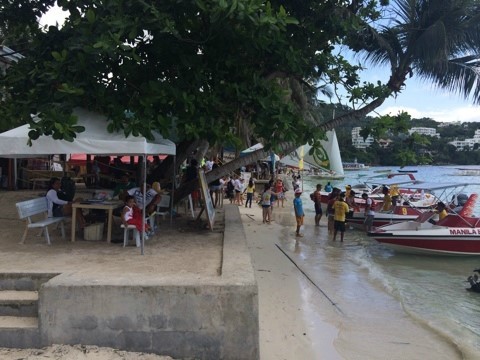
Manila, the capital of the Philippines, is a sprawling, energetic metropolis that sits on the eastern shore of Manila Bay. As one of Southeast Asia's most densely populated cities, it pulses with a unique blend of colonial Spanish heritage, American cultural influence, and deep-rooted Filipino traditions that makes every corner of the city a discovery waiting to happen.
From the ancient walled city of Intramuros to the gleaming skyscrapers of Bonifacio Global City, Manila offers an extraordinary contrast between old and new. Street food stalls sit beside Michelin-quality restaurants, and centuries-old churches stand within walking distance of designer shopping malls — making this destination ideal for curious, adventurous travelers.
In 2026, Manila continues to evolve as a travel destination, with upgraded infrastructure, a booming food scene, and improved transport links. Whether you're planning a short city break or using Manila as a gateway to the Philippine islands, this guide covers everything you need for the perfect trip.
Metro Manila Districts You Should Know
Metro Manila comprises 16 cities, but travelers most often focus on Manila (proper), Makati, Bonifacio Global City (BGC), Pasay, and Quezon City. Each district has its own personality, price range, and attractions.
Who Is Manila For?
Manila suits history buffs, foodies, budget backpackers, luxury travelers, and island-hopping adventurers alike. The city is a natural hub for exploring the rest of the Philippines — Palawan, Boracay, and Siargao are all just a short domestic flight away.
✈️ Manila Travel — Book Everything on Trip.com
* Affiliate link — commission may be earned on bookings
② 🗓️ Best Time to Visit Manila
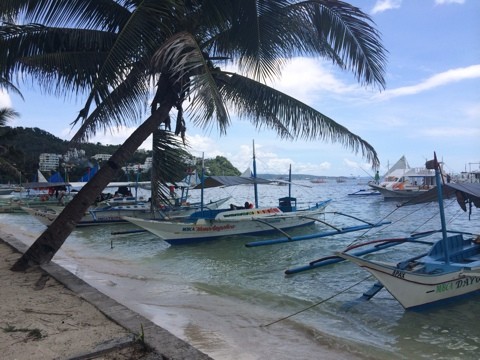
Manila has a tropical climate with two primary seasons: dry (November to April) and wet (May to October). The best time to visit is during the dry season, particularly from December to February, when temperatures are cooler, hovering around 25–28°C, and rainfall is minimal.
March and April can be very hot (up to 35°C), but crowds are thinner and prices drop slightly. The wet season brings typhoons, especially from July to September — travel is still possible, but some outdoor activities may be disrupted and flooding can affect low-lying areas of the city.
Peak Season vs. Off-Season
| Season | Months | Weather | Crowds & Prices |
|---|---|---|---|
| Peak | Dec – Feb | Cool & dry | High / Higher |
| Shoulder | Mar – May | Hot & dry | Moderate / Mid |
| Off-season | Jun – Oct | Rainy / Typhoon risk | Low / Budget-friendly |
Festivals & Events in 2026
The Feast of the Black Nazarene (January 9) draws millions and is one of Asia's most dramatic religious events. Sinulog Festival in Cebu (January) is also worth combining with a Manila trip. Christmas festivities in Manila begin as early as September and peak in December — the city is beautifully decorated.
③ 🗺️ Perfect 5-Day Manila Itinerary
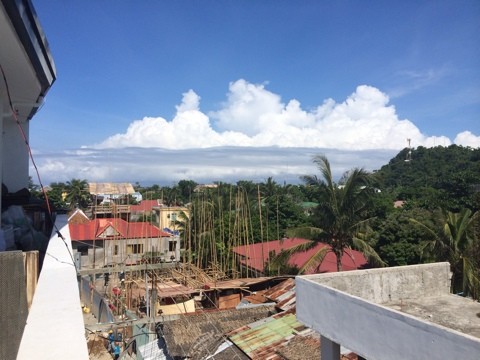
Five days is an ideal length for a Manila city break, giving you time to explore the historic core, experience modern neighborhoods, sample the food scene, and take a day trip. This itinerary balances culture, cuisine, and relaxation.
Day 1–2: Historic Manila & Bay Area
Start at Intramuros, the 16th-century walled city. Explore Fort Santiago, San Agustin Church (a UNESCO World Heritage Site), and the Manila Cathedral. Rent a bamboo bike for a leisurely tour. In the afternoon, head to the Manila Bay Sunset Walk — one of the most scenic urban experiences in Southeast Asia.
Day 3: Makati & BGC
Spend the day exploring Makati's Ayala Triangle and then cross over to Bonifacio Global City (BGC) for lunch, art at the BGC Murals trail, shopping at Uptown Mall, and dinner at one of the city's top restaurants. This area showcases Manila's cosmopolitan side perfectly.
Day 4–5: Day Trip & Local Life
Take a day trip to Tagaytay (2 hours south) for views of Taal Volcano, or visit Las Piñas to see the famous bamboo organ. On your final day, explore Binondo (the world's oldest Chinatown), Divisoria Market, and Escolta Street for a taste of authentic everyday Manila life.
④ 🏨 Hotels & Where to Stay
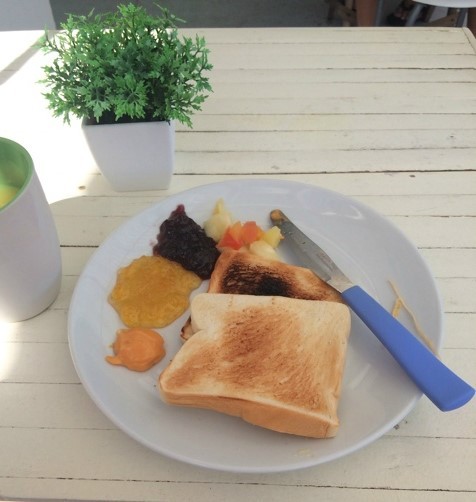
Choosing where to stay in Manila is as important as choosing your hotel — the city's traffic means location is everything. BGC and Makati are the top choices for most international visitors thanks to walkability, safety, and proximity to restaurants and transport hubs.
Best Areas & Budget Guide
| Area | Best For | Avg. Nightly Rate |
|---|---|---|
| BGC (Taguig) | Luxury, safety, walkability | $70–$250+ |
| Makati | Business, nightlife, mid-range | $50–$180 |
| Pasay / Bay Area | Airport proximity, casinos | $60–$200 |
| Intramuros / Ermita | History, budget travel | $20–$80 |
Top Hotel Picks by Category
Luxury: Shangri-La The Fort (BGC), Raffles Makati, and Conrad Manila (Bay Area) are the top tier options with world-class amenities. Mid-range: Seda BGC, The Picasso Boutique Serviced Residences, and City Garden Grand Hotel in Makati offer excellent value. Budget: Z Hostel (BGC) and Wanderers Guest House (Makati) are popular with backpackers.
✈️ Manila Travel — Book Everything on Trip.com
* Affiliate link — commission may be earned on bookings
⑤ 🍜 Food & Best Restaurants
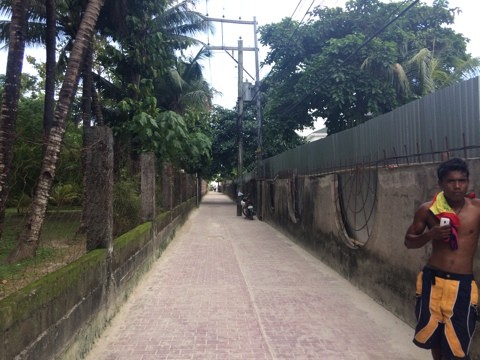
Manila's food scene is one of the most exciting in Southeast Asia — a delicious tapestry of indigenous Filipino flavors, Spanish colonial influence, Chinese culinary heritage, and American fast-food culture. From hole-in-the-wall carinderia (local eateries) to award-winning restaurants, eating in Manila is always an adventure.
Must-Try Filipino Dishes
Don't leave Manila without trying Adobo (soy-vinegar braised meat), Sinigang (sour tamarind soup), Lechon (whole roasted pig), Kare-Kare (oxtail peanut stew), Sisig (sizzling pork cheek), and Halo-Halo (the iconic shaved ice dessert). Balut (fertilized duck egg) is a must for adventurous eaters.
Top Restaurant Picks
Gallery by Chele (BGC) is consistently ranked among Asia's best restaurants. Toyo Eatery (Makati) reimagines Filipino cuisine with stunning creativity. For street food, head to Binondo for dimsum, fried dough, and noodles — the world's oldest Chinatown delivers an unmissable culinary experience. For affordable Filipino comfort food, try Aristocrat Restaurant near the Bay Area.
⑥ 🚇 Transportation & Getting Around
Getting around Manila requires patience and planning — the city is infamous for heavy traffic, but a variety of transport options exist at every price point. Understanding your options will save both time and money during your stay.
Key Transport Modes
MRT/LRT (Metro Rail): The most reliable way to travel between major hubs like Taft Avenue, Araneta–Cubao, and EDSA. Fares are very affordable (₱14–₱35). Grab (ride-hailing): The Uber equivalent — widely used, convenient, and priced fairly at ₱80–₱300 for most city trips. Jeepney: The iconic Philippine vehicle costs just ₱13 per ride but routes can be confusing for newcomers. Tricycles: Useful for the last mile in residential areas. Airport Transfers: Pre-booking is strongly recommended to avoid taxi scams at NAIA.
NAIA Airport Tips
Ninoy Aquino International Airport (NAIA) has four terminals. Most international flights use Terminal 1 or 3. Always allow 3 hours before international departure due to queues. Use official airport taxi counters or pre-book a transfer through a reliable app. Terminal-to-terminal shuttles are free but slow.
⑦ 🎭 Things to Do & Attractions
Manila punches far above its weight in terms of attractions. From UNESCO-listed colonial architecture to contemporary art galleries, there's something for every type of traveler — and most top sights are remarkably affordable to visit.
Must-See Historic Sites
Intramuros & Fort Santiago — The walled city is the historic heart of Manila. Fort Santiago, where national hero José Rizal was imprisoned, is essential viewing. San Agustin Church is the oldest stone church in the Philippines and a UNESCO World Heritage Site. Rizal Park (Luneta) is a sprawling green space with a monument to the national hero and popular especially on weekend mornings.
Modern & Cultural Attractions
National Museum of the Philippines (free entry) houses the famous "Spoliarium" painting by Juan Luna. The BGC Arts Center and the open-air Street Art Murals of BGC make for a great walking tour. Mind Museum is outstanding for families. For nightlife, the Poblacion district in Makati is buzzing with bars and live music from Thursday to Saturday.
⑧ 🛍️ Shopping in Manila

Manila is a shopper's paradise — the city is home to some of Asia's largest malls, alongside vibrant tiangge (flea markets) and Divisoria, the legendary bargain district. Whether you want luxury brands, local handicrafts, or the cheapest electronics in Asia, Manila delivers.
Top Malls & Markets
SM Mall of Asia (Pasay) is one of Asia's largest malls with an ocean-front boardwalk. Greenbelt Makati blends luxury retail with open-air garden spaces — perfect for evening shopping. Uptown Mall BGC and SM Aura cater to the premium shopper. For souvenirs, visit Pistang Pilipino (Intramuros) or Quiapo Market for religious items, herbs, and local goods.
What to Buy in Manila
Best souvenirs include barong tagalog (formal Filipino shirt), capiz shell décor, local chocolate and dried mangoes, woven banig mats, and indigenous crafts from the Cordillera and Mindanao regions available at dedicated craft stores throughout BGC and Makati.
⑨ 💡 Travel Tips & Practical Advice

A few practical insights can make the difference between a frustrating and a fantastic Manila trip. Here's what experienced travelers wish they had known before arriving.
Money, Safety & Essentials
Currency: Philippine Peso (₱). ATMs are widely available; use those inside malls for security. Credit cards accepted in most restaurants and hotels. Safety: BGC and Makati are generally safe for tourists. Avoid flashing valuables in crowded areas like Quiapo or Divisoria. Keep a close eye on bags in jeepneys and buses. SIM Cards: Buy a GLOBE or Smart SIM at the airport upon arrival — data is cheap (₱299 for 30 days unlimited).
Visa, Entry & Health
Citizens of most countries receive a free 30-day visa on arrival, extendable at the Bureau of Immigration. As of 2026, no COVID-related requirements remain. Drink only bottled water. Mosquito repellent is recommended, especially during the rainy season. Travel insurance is strongly advised.
✈️ Manila Travel — Book Everything on Trip.com
* Affiliate link — commission may be earned on bookings
⑩ ❓ Frequently Asked Questions

Q: Is Manila safe for tourists in 2026?
A: Yes, for the most part. Areas like BGC, Makati, and the Bay Area are very tourist-friendly and well-patrolled. Apply standard city precautions — don't display expensive items publicly, use Grab instead of street taxis, and avoid poorly lit areas at night. The overall tourist experience in Manila is safe and welcoming.
Q: How many days do I need in Manila?
A: A minimum of 3 days covers the highlights. Five days is ideal if you want to explore comfortably, include a day trip (Tagaytay or Batangas), and experience the food and nightlife scene without feeling rushed.
Q: What is the average daily budget for Manila?
A: Budget travelers can manage on $30–$50/day (hostel, local food, public transport). Mid-range travelers typically spend $80–$150/day. Luxury travel with five-star hotels and fine dining easily exceeds $300/day. Manila offers excellent value at all budget levels.
Q: Do I need a visa to visit the Philippines?
A: Most nationalities (including US, EU, UK, Australian, and most Asian passports) receive a free 30-day visa on arrival. This can be extended at the Bureau of Immigration for another 29 days. Always check the latest visa rules before travel as policies can change.
Q: What is the best way to get from NAIA Airport to my hotel?
A: Pre-booking an airport transfer is the safest and most stress-free option. Alternatively, use the official airport taxi counters inside the arrivals hall. Grab also operates at NAIA but must be booked outside the terminal. Avoid unlicensed drivers who approach you inside the arrivals area.
Q: Can I use Manila as a base to explore the Philippines?
A: Absolutely. Manila's Ninoy Aquino Airport offers domestic flights to Palawan (El Nido, Coron), Boracay, Siargao, Cebu, and dozens of other destinations. Flight times are generally under 90 minutes and tickets are affordable, making Manila the ideal gateway for island-hopping adventures.
Q: Is Manila worth visiting or should I go straight to the islands?
A: Manila is absolutely worth at least 2–3 days. Its history, food scene, and cultural offerings are unique and distinct from the beaches. Many travelers regret skipping it in a rush to reach the islands. The combination of city and beach makes for a fuller, richer Philippine experience.
✈️ Manila Travel — Book Everything on Trip.com
* Affiliate link — commission may be earned on bookings
Disclaimer: This Manila travel guide is intended for informational purposes only. Prices, visa requirements, opening hours, and travel conditions are subject to change. Always verify current information with official sources before traveling. Some links in this article are affiliate links — we may earn a small commission at no additional cost to you if you make a booking through them. Travel safely and responsibly.
📚 Sources & Further Reading