Mexico Travel Tips: What No One Tells You Before You Go
① 🏙️ Why Visit Mexico City? City Overview

Mexico City — known locally as CDMX — is one of the largest and most dynamic capitals in the world. Home to over 21 million people in its metro area, the city blends ancient Aztec heritage with colonial Spanish architecture, world-class museums, and a buzzing modern food scene. For budget travelers, CDMX is an absolute gem: the Mexican peso goes a long way, and most of the city's greatest experiences cost little or nothing at all.
The city sits at an altitude of 2,240 meters (7,350 feet), meaning temperatures stay mild year-round despite sitting in the tropics. Neighborhoods range from the grand historic center (Centro Histórico) to the leafy, upscale Roma and Condesa districts — all highly walkable and well connected by public transport. For budget travelers who want to maximize experiences while minimizing costs, Mexico City consistently ranks among the top value destinations in Latin America.
Visa requirements for Mexico City are straightforward for most nationalities. Citizens of the USA, Canada, EU, UK, Australia, and many other countries can enter Mexico visa-free for up to 180 days as tourists. You simply fill out a tourist card (Forma Migratoria Múltiple) on arrival or online. Always verify the latest entry requirements with your local Mexican consulate before travel.
Currency & Cost Overview
Mexico uses the Mexican Peso (MXN). As of 2024, roughly 17–18 MXN equal 1 USD, making daily expenses very affordable. Budget travelers can comfortably get by on USD $30–50 per day including accommodation, meals, transport, and entry fees.
Language & Safety
Spanish is the official language. While English is spoken in tourist areas and upscale hotels, learning a few basic Spanish phrases makes a huge difference with locals. Safety varies by neighborhood — tourist-friendly areas like Condesa, Roma Norte, Polanco, and Centro are generally very safe for visitors who stay aware of their surroundings.
✈️ Mexico City Travel — Book Everything on Trip.com
* Affiliate link — commission may be earned on bookings
② 🗓️ Best Time to Visit Mexico City
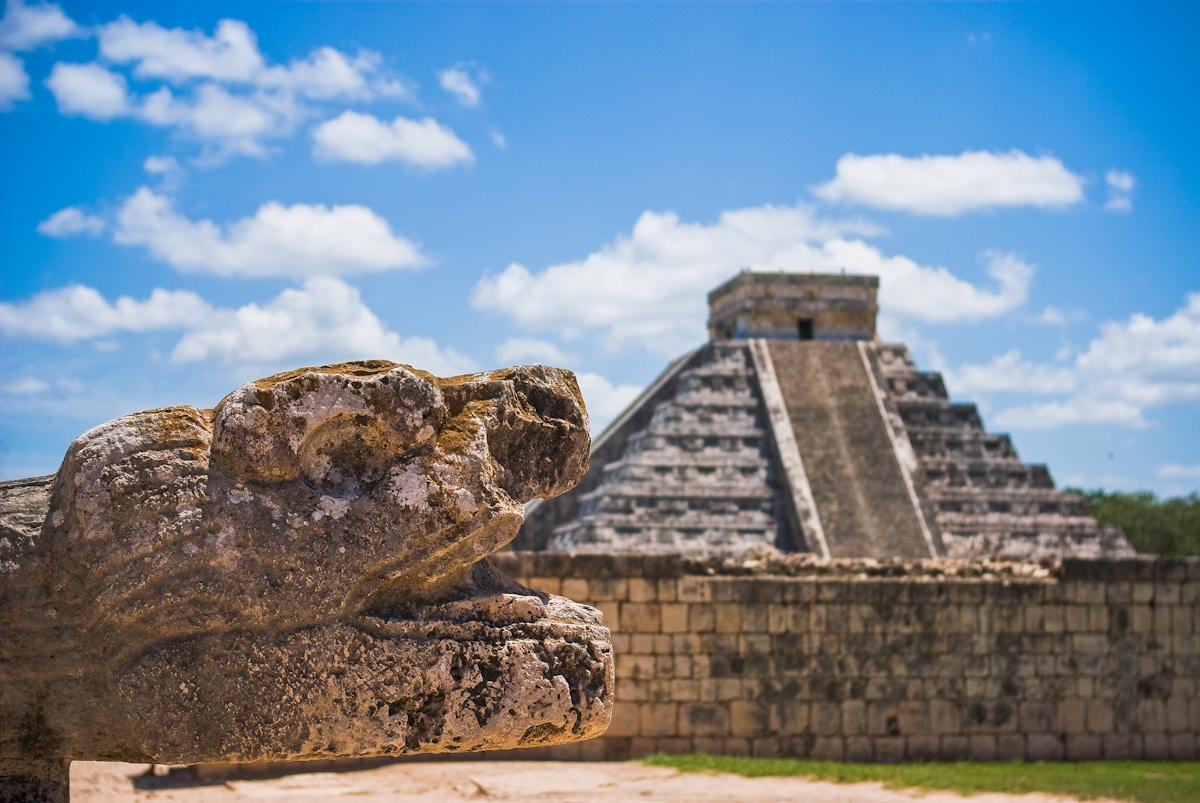
Mexico City's highland climate means it's a year-round destination with no extreme heat or cold. However, the best time to visit for budget travelers is during the dry season from November through April. Skies are clear, humidity is low, and outdoor sightseeing is at its most comfortable. Temperatures average a pleasant 18–24°C (64–75°F) during the day and can dip to 8–12°C at night, so pack a light jacket.
The rainy season runs May through October. Afternoon showers are brief but intense — usually lasting 1–2 hours from mid-afternoon. This period sees lower hotel prices and fewer tourists, making it ideal for budget-conscious travelers who don't mind carrying a compact umbrella. The famous Día de los Muertos celebration (October 31–November 2) draws visitors from around the world and is a truly magical cultural experience.
Seasonal Price Comparison
| Season | Months | Weather | Budget Hotels (avg/night) |
|---|---|---|---|
| Peak Dry | Dec–Feb | Clear & cool | $25–45 USD |
| Shoulder | Mar–May | Warm & dry | $20–35 USD |
| Rainy | Jun–Sep | Afternoon showers | $15–28 USD |
| Festival | Oct–Nov | Mild & festive | $22–40 USD |
What to Pack
Pack layers for cool evenings, comfortable walking shoes, a compact rain jacket (rainy season), sunscreen for high-altitude UV exposure, a universal power adapter (Mexico uses Type A/B plugs, 127V), and a reusable water bottle — tap water is not safe to drink in CDMX.
③ 🗺️ Perfect 5-Day Mexico City Itinerary
Five days is a perfect amount of time to explore Mexico City's highlights without rushing. This itinerary balances major sights with local neighborhood discoveries, keeping costs low by using public transport and street food throughout.
Days 1–2: Historic Center & Teotihuacán
Start at the Zócalo (main plaza), explore the Metropolitan Cathedral, and walk to Templo Mayor — the unearthed Aztec pyramid. Stroll down Madero pedestrian street and visit the Palacio de Bellas Artes. On Day 2, take an early bus to Teotihuacán pyramids (~$3 USD round trip via TAPO bus terminal). Climb the Pyramid of the Sun and Sun — this is bucket-list stuff.
Days 3–4: Roma, Condesa & Chapultepec
Spend a morning at Bosque de Chapultepec park (free entry) and the world-class Museo Nacional de Antropología ($4 USD). Afternoon: wander Roma Norte's trendy cafés and street art, then Condesa's art deco architecture and Parque México. Day 4: visit Frida Kahlo's Blue House museum in Coyoacán ($3 USD), explore the local market, and enjoy the bohemian plaza atmosphere.
Day 5: Xochimilco & Tlatelolco
Head south to Xochimilco for a colorful trajinera (gondola) ride through ancient canals (~$8–12 USD per person for 1 hour). In the afternoon, visit Plaza de las Tres Culturas in Tlatelolco, a sobering historical site blending Aztec, colonial, and modern architecture, then browse Mercado Medellín for last-minute food souvenirs.
④ 🏨 Mexico City Budget Hotels Guide — Where to Stay
Mexico City has an incredible range of budget accommodation options, from backpacker hostels to budget boutique hotels. The key is choosing the right neighborhood — it dramatically affects your experience, safety, and convenience. Budget travelers should prioritize areas well connected to the Metro system.
The Centro Histórico offers the cheapest rates in the city, with clean budget hotels starting at just $15–25 USD per night. The area is buzzing with sights and street food but gets quieter at night, so choose hotels on well-lit main streets. Roma Norte and Condesa have more mid-range budget hotels ($30–55 USD) in a safer, trendier environment with great café culture.
Best Neighborhoods for Budget Hotels
| Neighborhood | Avg Budget Hotel | Vibe | Best For |
|---|---|---|---|
| Centro Histórico | $15–28/night | Historic, busy | Sightseeing, culture |
| Roma Norte | $28–50/night | Trendy, safe | Foodies, nightlife |
| Condesa | $35–60/night | Art deco, leafy | Couples, slow travel |
| Doctores / Obrera | $12–22/night | Local, authentic | Ultra-budget travelers |
What to Look for in a Budget Hotel
Always confirm Wi-Fi quality, hot water reliability, and whether breakfast is included — many CDMX budget hotels include a simple breakfast that can save $5–8 per day. Check that the hotel is within walking distance of a Metro station. Read recent reviews for safety and cleanliness, as standards can vary widely at lower price points.
✈️ Mexico City Travel — Book Everything on Trip.com
* Affiliate link — commission may be earned on bookings
⑤ 🍜 Food & Best Restaurants in Mexico City
Mexico City is one of the world's great food capitals, and budget travelers are in luck — the most authentic and delicious food here is also the cheapest. Street tacos cost $0.50–1.00 USD each. A full comida corrida (set lunch: soup, main, drink, dessert) at a local restaurant runs $3–6 USD. Dining out on $10–15 USD per day is entirely achievable.
Must-try dishes include tacos al pastor (marinated pork on a vertical spit), chilaquiles (tortilla chips in salsa — the perfect breakfast), tamales, tlayudas, and mole negro. Mexico City's food culture is UNESCO-recognized as Intangible Cultural Heritage of Humanity, so treat every meal as part of the cultural experience.
Best Budget Eating Spots
Mercado de Medellín (Roma Norte), Mercado Jamaica, and Mercado de Coyoacán are ideal for cheap, authentic lunches. Taquería Los Cocuyos near Centro Histórico is legendary among locals. For incredible cheapness paired with quality, follow office workers at lunchtime — they always know the best comida corrida spots on side streets.
Food Safety Tips
Stick to busy street stalls with high turnover — the food is fresher. Avoid raw vegetables unless washed with purified water. Drink only bottled or filtered water and use it to brush teeth too. Your stomach may need 2–3 days to adjust to new bacteria even in perfectly safe food.
⑥ 🚇 Transportation & Getting Around Mexico City
Mexico City's public transport system is extensive and dirt-cheap. The Metro is the backbone — with 12 lines and 195 stations, it covers almost every major destination. Each ride costs just 5 MXN ($0.25 USD), making it the world's most affordable metro systems. Buy a rechargeable Tarjeta de Movilidad Integrada card at any station to tap in and out easily.
Metrobús (bus rapid transit on dedicated lanes) covers major corridors including the Reforma avenue, connecting the airport area to Chapultepec, Roma, and Condesa. Ride-sharing apps Uber and DiDi are safe, reliable, and inexpensive — always preferred over street taxis. A typical Uber ride across the city costs $3–7 USD.
Airport to City Center
Benito Juárez International Airport (MEX) is served directly by Metro Line 5 (Terminal Aérea station) — just $0.25 USD into the city center. Pre-booked airport transfers via Trip.com offer fixed, safe rates around $12–18 USD. Avoid unlicensed taxi touts inside the terminal.
Transport Passes
The Tarjeta de Movilidad Integrada works on Metro, Metrobús, and Trolebús. There are no tourist day-pass options — the per-ride flat rate is so cheap that individual fares are always the best deal. Budget $2–3 USD per day for all public transport needs.
⑦ 🎭 Things to Do & Attractions in Mexico City
Mexico City punches far above its weight for attractions-per-dollar. Many of the city's finest experiences are free: wandering the vast Zócalo plaza, exploring Chapultepec Park (Latin America's largest urban park), admiring Diego Rivera's famous murals inside the Palacio Nacional (free entry), and strolling through the canal-laced neighborhood of Xochimilco.
Top Paid Attractions (Budget-Friendly)
The Museo Nacional de Antropología ($4 USD) is arguably the finest archaeological museum in the Americas — allow 3–4 hours. Templo Mayor ($5 USD) puts you face-to-face with genuine Aztec temple ruins in the city center. The Frida Kahlo Museum in Coyoacán ($3 USD — book online in advance; it sells out quickly) is essential for art lovers.
Free & Low-Cost Activities
Join free Sunday walking tours organized by local guide collectives (tip-based). Rent a Ecobici city bike ($1 USD/day for tourists) and cycle along Reforma's wide bicycle lane. Watch live traditional music performances in Coyoacán's Plaza Hidalgo on weekends. Every Sunday, Paseo de la Reforma becomes a car-free cycling and skating route — completely free.
⑧ 🛍️ Shopping in Mexico City
Mexico City is a shopper's paradise for artisan crafts, textiles, ceramics, and silver jewelry. Budget travelers get the most value at traditional markets rather than tourist boutiques. La Ciudadela market (Centro Artesanal Bucareli) is a vast indoor craft market where vendors sell hand-painted Talavera tiles, handwoven textiles, and silver jewelry at negotiable prices.
Best Markets for Budget Shopping
Mercado de Artesanías La Ciudadela is the top destination for crafts. Tepito market (go with a guide or local friend — it's authentically local but requires street smarts) sells everything from electronics to clothing at rock-bottom prices. Mercado de Coyoacán has food, crafts, and local art in a charming setting near the Frida Kahlo museum.
Bargaining Tips
Bargaining is expected at open markets but not in fixed-price shops. Start your counteroffer at 60–70% of the asking price and meet somewhere in the middle. Always smile, be friendly, and be prepared to walk away — vendors will often call you back with a better price. Buying multiple items from the same vendor usually yields the best discounts.
⑨ 💡 Travel Tips & Practical Advice for Mexico City
Smart planning makes the difference between a stressful and an amazing CDMX trip. Here are the most practical tips specifically for budget travelers visiting Mexico City for the first time.
Money & Budget Management
Withdraw pesos from ATMs inside bank branches (Banamex, BBVA, Santander) rather than standalone ATMs on streets to avoid skimming devices. Use a no-foreign-transaction-fee card like Wise or Revolut for best exchange rates. Daily budget breakdown: accommodation $20–35, food $10–15, transport $2–3, attractions $5–10 — total approximately $37–63 USD per day.
SIM Card & Connectivity
Buy a local SIM card at the airport from Telcel or AT&T Mexico. A 30-day unlimited data plan costs roughly $10–15 USD. Having mobile data is essential for using Uber, Google Maps for the Metro, and translation apps. OXXO convenience stores (everywhere in the city) sell top-ups easily.
Safety Essentials
Stick to established tourist neighborhoods, use Uber instead of street taxis, keep your phone out of sight in crowded Metro stations, and carry only the cash you need for the day. Register your trip with your country's embassy travel advisory system. Travel insurance with medical coverage is strongly recommended — altitude sickness and stomach bugs are common.
⑩ ❓ Frequently Asked Questions
Q: How much does a budget hotel in Mexico City cost per night?
Budget hotels in Mexico City range from $12–18 USD per night in Centro Histórico to $28–50 USD per night in trendier areas like Roma Norte and Condesa. Dormitory beds in hostels start at $8–12 USD. Prices are generally 20–30% lower during the rainy season (June–September).
Q: Do I need a visa to visit Mexico City?
Citizens of the USA, Canada, EU countries, UK, Australia, Japan, South Korea, and most Latin American countries can enter Mexico visa-free for up to 180 days as tourists. You'll fill out a tourist card (FMM) on arrival. Always verify with your nearest Mexican consulate, as requirements can change.
Q: Is Mexico City safe for budget travelers?
Popular tourist neighborhoods including Centro Histórico, Roma Norte, Condesa, Polanco, and Coyoacán are generally safe for visitors who stay alert. Use Uber instead of street taxis, avoid flashing expensive items in crowded public areas, and stick to well-lit streets at night. Millions of tourists visit safely each year.
Q: What is the cheapest way to get from the airport to the city center?
The Metro Line 5 (Terminal Aérea station) connects directly from the airport to the city center for just $0.25 USD — unbeatable value. Alternatively, pre-booked airport transfers via Trip.com offer fixed-rate, safe door-to-door service for approximately $12–18 USD, ideal if you have luggage or arrive late at night.
Q: What currency should I use in Mexico City?
Always use Mexican Pesos (MXN). While some tourist-oriented businesses accept USD, you'll always get worse value. Withdraw pesos from reputable bank ATMs. Using a no-fee travel card like Wise or Revolut for withdrawals gives the best exchange rates. Avoid airport currency exchange counters — rates are poor.
Q: Can I drink tap water in Mexico City?
No — tap water in Mexico City is not safe to drink. Always drink bottled or purified water, and use it to brush your teeth too. Most budget hotels provide garrafones (large water jugs) for guests. Carry a reusable bottle and refill it from purified sources to reduce plastic waste.
Q: What transport pass should I buy in Mexico City?
Purchase a Tarjeta de Movilidad Integrada rechargeable card at any Metro station for $0.50 USD. Load it with credit and use it on Metro, Metrobús, and Trolebús. At $0.25 USD per Metro ride, there's no tourist pass that offers better value — this card is all you need for public transport in the city.
✈️ Mexico City Travel — Book Everything on Trip.com
* Affiliate link — commission may be earned on bookings
Disclaimer: This article contains affiliate links to Trip.com. We may earn a commission if you make a booking through these links, at no additional cost to you. Hotel prices, visa regulations, entry requirements, and travel conditions change frequently. Always verify current information with official government sources, your local embassy, and accommodation providers before travel. This content is for informational purposes only and does not constitute professional travel or legal advice.